
Category

Health

Category

       Feeling insecure or worried about looks seems like a common thing in the modern world. Having a good look means more than just looking great but also makes a person feel confident in themselves. In fact, some careers emphasize looks that many are willing to spend huge resources on improving their looks. Beauty standards do change from time to time and what is beautiful is a subjective matter based on individual preference. In the world of medicine, there are many treatments available to help one achieve a specific look or to improve their looks. In this article, we will be learning about lines in the lips and how to get rid of it.

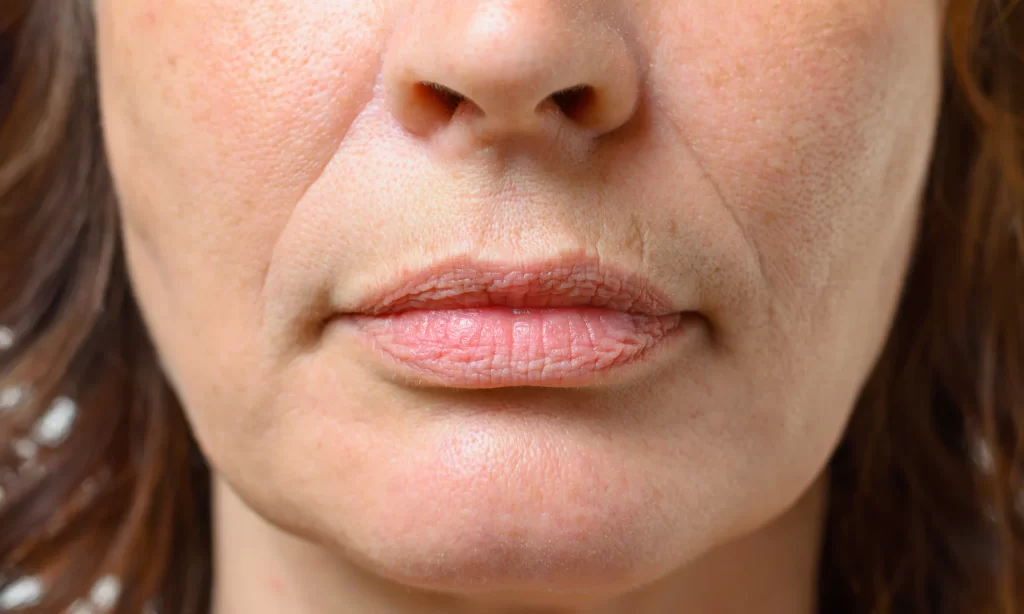
       Line in the lips is also known as lip wrinkles. It is a line that develops as part of the natural ageing process. Lip lines can extend from the upper lip to the tip of the nose. This wrinkle may typically start with fine subtle lines and as time goes by it develops to deep creases. Lip lines often develop when a person reaches 40 years old. However, this natural ageing process may get faster than it should when a person is engaged with an unhealthy lifestyle. This may make a person have lip wrinkles earlier than they should.

       The lip lines, just as wrinkles on skin, develop due to the ageing process causing a person to naturally lose collagen and elastin proteins. These substances are what makes both skin and lips look hydrated and a smooth texture. Hence, when it is slowly diminished by time, the wrinkles will be obvious as time goes by. Apart from the natural ageing process as the cause of lip lines, lifestyle may actually speed up these processes leading to the lip lines formed earlier. Unhealthy lifestyle such as smoking, excessive alcohol consumption, lack of good quality sleep and repetitive movements such as pursing the lips. Exposure to sun and genetics do play a role in causing lip lines.

       Before knowing how you can get rid of the lines in your lips, you probably wonder why you and many other people have been thinking about this. This helps you understand that you are not alone and the decision to improve on your look is not wrong. The appearance of the lips does have a major effect on the perception of the face. Full and well-defined lips signify a sense of youth, health and attractiveness. Lips, similar to other features of the face, are affected by the ageing process which makes these features become less attractive as the ageing process runs. The lips itself is susceptible to environmental effects and bad lifestyle habits. This is because the lips have poor barrier function and low water-retaining capacity. Damages from the environmental factor and lifestyle cause the lips to become dry, chapped and dull in colour.

       Getting rid of the lip lines is by tackling the issues causing the lip lines. Treatments available are by focusing on slowing down the ageing process or to make up for the substance loss causing the lip wrinkles. Here are the many options available for you to get rid of the lines in your lips:

  • Injectable fillers- Injectable fillers contain hyaluronic acid- based dermal fillers. Hyaluronic acid is natural to the body but the production of this substance is significantly low as a person ages. Injected fillers are directly injected into the lips and the surrounding area. The changes to the lip should be subtle but enough to fill the lines. Amount of filler varies and is based on the dermatologist evaluation and your desire on which part of the lip you want to improve.
  • Laser resurfacing- Lasers work by removing the top layers of the skin. In case of the lip lines, laser helps to improve collagen production and makes skin around the lips look younger. This is usually done with other lips plumping procedures.
  • Chemical peel- This procedure removes the top layer of the skin and is most suited for the upper lips. The strength of the chemical used should be discussed with a doctor.
  • Dermabrasion- Similar to chemical peel, it removes the top layers of the skin. Microdermabrasion is more suitable for improving the wrinkles of the upper lip. This involves usage of handheld devices that polish away the top layer of the skin.
  • Microneedling- The principle of this treatment is by triggering the skin to produce collagen by making intentional trauma. Although there are a lot of home microneedling tools, it is best to get a health professional to do it for you as doing it by yourself may risk you with infection and scarring.
  • Botox injection- As mentioned, the lips line can be caused by repetitive movement, specifically the muscles. Botox relaxes the muscle around the lips and reduces the appearance of the lip lines.
  • Platelet-rich plasma- Also known as vampire facial, this procedure of using your own blood component which is platelets to stimulate collagen production. This solution is injected through a microneedling device.
  • Collagen-based serum- You can find this in many pharmacies or beauty shops. Only with regular use do you see the results but it often results in very subtle changes.

       It can be concluded that there are many ways available for you to get rid of the lip lines. You should consult with a dermatologist as they can give you a clear picture on how to get rid of the lip lines fast and promptly. Although these treatments do help to get rid of the lip lines, it can never make it go away forever since it is part of the ageing process. Plus, treatments may only give effects for certain times and you may need to repeat it again. Buy Telfast 180mg Tablet 10s (strip).
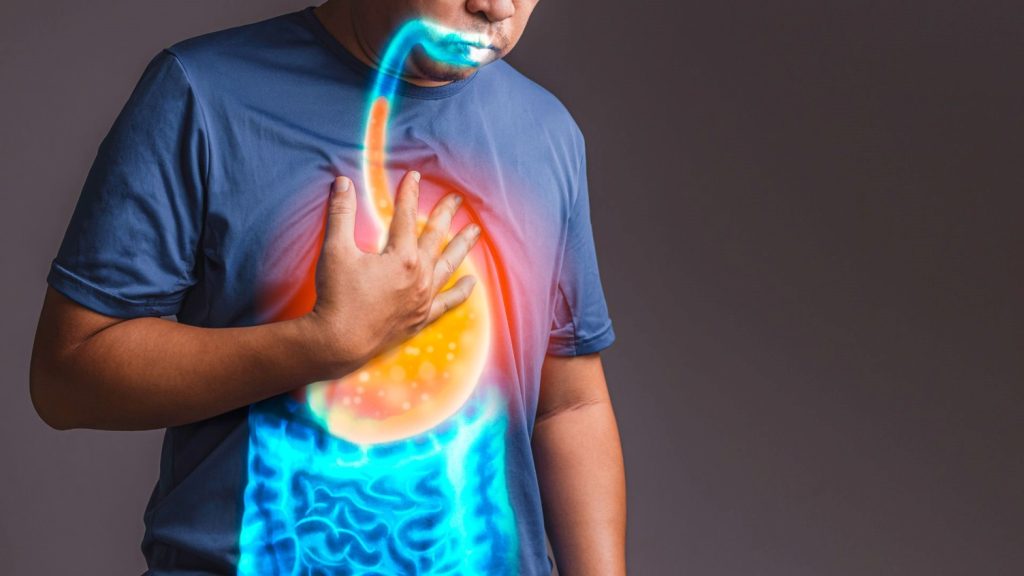
 

Gastroesophageal reflux disease (GERD) is a severe digestive disorder that can cause frequent heartburn, acid reflux, and other uncomfortable symptoms. While the exact cause of GERD is unknown, it has been linked to certain lifestyle factors, including stress and anxiety. In this article, we’ll explore the potential link between GERD and anxiety, as well as how managing stress and anxiety levels may help to reduce symptoms of GERD.

Stress and Anxiety: Potential Causes of GERD

Recent studies have revealed that stress and anxiety can worsen the symptoms of GERD. Stress can increase stomach acid production, leading to uncomfortable heartburn. In addition, increased levels of stress hormones can cause tightening of the chest muscles, making it difficult to digest food, and may lead to GERD symptoms.

Also, when you’re stressed or anxious, you may be more likely to engage in behaviors that can trigger GERD, such as smoking or overeating. There are certain best foods for Heartburn & GERD that can help manage the condition. Whether you’re just looking for relief from occasional heartburn or something more long-term, knowing your option is essential for managing your health.

How to Manage Stress and Anxiety Levels

If you suffer from GERD, managing stress and anxiety levels is essential. This can help reduce the frequency and severity of your symptoms. Here are some tips for managing stress and anxiety:

– Daily relax with calming activities such as yoga or meditation.

– Spend time with loved ones, either in person or virtually.

– Exercise regularly to help reduce stress and improve physical fitness.

– Practice deep breathing exercises whenever you feel stressed or anxious.

– Ensure you sleep well each night (7–9 hours is recommended).

Research has shown that people who suffer from GERD often also struggle with heightened stress and anxiety levels. This is because the same nerves in the brain that control digestion can also influence emotions, which means that feeling anxious or stressed can lead to digestive issues like GERD.

As such, it’s not surprising that research shows a correlation between GERD and anxiety. The good news is that by following steps to reduce stress and anxiety, you can help manage your GERD symptoms. Moreover, you can also look for GERD reflux in Baltimore specialists who can help provide you with the right treatment and advice.

To Conclude 

There is a strong link between GERD and anxiety. Stress and anxiety can worsen the symptoms of GERD by causing an increase in stomach acid production or tightening of chest muscles. Consulting with your doctor about ways to manage GERD is highly recommended. With the right treatment plan, you can take control of your symptoms and live a more comfortable life. Thanks for reading!

Whether you have just started to vape or you have been vaping for some time, you know how important it is to replace your electronic cigarette coil. This is especially true if you’re looking to switch brands or you’re looking for a different type of vapor. It’s not difficult to find replacement coils for all types of vaping devices. Just make sure to do your research. If you’re looking to buy a specific brand, check the คอยล์บุหรี่ไฟฟ้า Voopoo for a list of coils that are compatible with your device. You may be surprised by what you discover!

  • 3-ohm TPP coil

Voopoo 0.3-ohm TPP coils are designed for the sub-ohm vaping community. They offer improved performance and an extra dose of flavor. These coils are made with a unique mesh heating element that delivers fast heating and pure flavor from your e-liquid.

Voopoo 0.3-ohm replacement coils are compatible with a wide variety of VooPoo kits and pods. Their advanced internal design provides increased atomization efficiency, making it possible to produce more vapor and more flavor than ever before.

  • 3 ohm PnP mesh coil

The Voopoo 0.3 ohm PnP mesh coil is designed to produce a lot of vapor. It works well for direct lung-style vaping and is suited for juices with high VG content. This particular coil also has a traditional look.

Its design uses a mesh solution to help deliver a faster wicking process and a more even distribution of heat. This means a greater amount of flavor and vapor. In addition, this coil is rated for a higher range of wattage, from 25 to 35W. These coils are compatible with a variety of VOOPOO devices, including DRAG X, Vinci Mod Pod, and Vinci replacement pods.

  • VOOPOO DRAG 3 Replacement Coil

The Voopoo Drag 3 Replacement Coil is one of the most popular in the vaping community. This is because it offers a variety of benefits, including a larger internal atomization area and faster heating. In addition, the design uses mesh coils to achieve optimal flavor and cloud production.

Voopoo Drag 3 Replacement Coil features a patented technology to produce more vapor. Additionally, it offers a large range of wattages for users to choose from, providing the perfect temperature to suit their preferences.

  • VOOPOO TPP DM Mesh Coils

Voopoo TPP DM Mesh Coils are mesh coils designed to increase the surface area of your atomizer. This increases the efficiency of your atomizer and allows you to get more vapor from your e-liquid. They are available in 0.2 ohms and 0.15 ohms.

These coils are suitable for use with both TPP Pod Tanks and TPP Pod Cartridges. Each pack comes with three (3) coils. For use with sub-ohm devices, they are available in either 0.2 ohms or 0.15 ohms. You will need to prime the coil before you begin using it.

Are you considering weight loss surgery? Despite how intimidating it may seem, there are a variety of surgical options available to help you achieve your weight loss goals. One of the most popular bariatric surgeries is lap-band and gastric sleeve surgery. When it comes to lap-band vs. gastric sleeve surgery, it’s important to understand the differences between the two procedures to make an informed decision. So, without further ado, let’s dive into the facts about lap band and gastric sleeve surgery to help guide your decision.

Why Should You Consider Weight Loss Surgery?

Weight loss surgery can be an effective option for those struggling to lose weight, especially if you have tried other methods without success. It’s important to note that weight loss surgery is not a quick fix, but rather it helps you make permanent lifestyle changes. Those who choose to undergo this type of surgery must commit to regular follow-up visits with their doctor and a healthy diet and exercise plan in order for it to be effective. The surgery can help you achieve a healthier weight, reduce your risk of obesity-related diseases, and improve your quality of life.

Lap-Band Surgery

Lap-band surgery is a restrictive type of bariatric surgery that involves placing an adjustable silicone band around the stomach. This can be done laparoscopically, meaning it is a minimally invasive procedure with smaller incisions and a shorter recovery time. The band is adjusted to your individual needs based on how much weight you want to lose and how fast you would like to do it.

The band creates a small pouch in the upper part of your stomach and restricts food intake, which helps promote weight loss. So, it is important to remember that this procedure will require frequent check-ups and adjustments by your doctor over time. Additionally, you may check out how much weight will you lose after lap band surgery so that you will have a better idea. Lastly, lap-band surgery is generally reversible, so you can have it removed if needed.

Gastric Sleeve Surgery

Gastric sleeve surgery is also a restrictive procedure, but it is more permanent than lap-band surgery. This type of bariatric surgery involves the removal of a large portion of your stomach and reshaping it into a tube-like structure. This procedure helps reduce the size of your stomach, which limits the amount of food that can be consumed at once and leads to weight loss. The surgery is done laparoscopically, and recovery time is generally shorter than that of lap-band surgery.

You should also keep in mind that gastric sleeve surgery is irreversible, so it is important to consider all of the risks and benefits before making a decision. Additionally, gastric sleeve surgery requires a lifelong commitment to healthy eating and regular exercise in order for it to be effective.

Which Option is Right for You?

When it comes to lap-band vs. gastric sleeve surgery, there is no single answer that will work for everyone. It is vital to do research and talk to your doctor about both options in order to make an informed decision. For instance, by consulting with a doctor for lap band surgery in New Mexico, you will be able to understand if you are the right candidate for the procedure and what to expect during and after surgery. Your doctor can also provide you with the guidelines for a successful weight loss journey and discuss the risks of each procedure. Ultimately, it is up to you to decide which option is best for your individual needs.

To Conclude

Lap-band and gastric sleeve surgery are both effective options to help you reach your weight loss goals. By doing research and consulting with your doctor, you can make an informed decision about which procedure is right for you. So, it is essential to remember that weight loss surgery requires a permanent commitment to healthy eating and exercise for you to achieve lasting success. Good luck on your weight loss journey!

Cooking can improve your health in many ways. Not only can it enhance your physical health, it can also boost your emotional and mental health. In fact, cooking is a powerful tool for people who are dealing with depression, anxiety or panic attacks. The act of preparing a meal at home can provide the social connection and relaxation that you need to keep your stress levels in check.

Learning to cook at home is not only a fun and rewarding experience, it can also be a healthy and inexpensive activity. Besides saving you money, cooking at home allows you to control the ingredients that go into your food, which in turn can lead to healthier eating habits. This is especially true if you’re cooking for a family.

Cooking is an excellent way to build relationships with family members and friends. Cooking team building Milano courses are also beneficial for employees. Studies have shown that people who cook often enjoy better mental and physical health than those who go out to eat. Eating at home is a great way to avoid unhealthy fast food and packaged foods. It’s a nice way to spend a few quality hours with the ones you love. You’ll be sure to impress your friends and family with your culinary skills and they’ll be pleased that you made the effort to prepare a meal for them.

While many people might be put off by the idea of preparing a meal at home, the benefits are many. From a nutritional perspective, cooking your own meals can help you to avoid sodium, cholesterol and other dangerous chemicals found in restaurant and fast food dishes. Plus, you’ll have complete control over the amounts you serve. Moreover, the quality of your diet has a profound impact on your brain health.

Cooking is Therapeutic

For those with chronic or chronic illnesses, cooking can also provide a sense of self-worth. Studies have shown that cooking can help people cope with depression, anxiety and other medical conditions. When done well, it can increase the level of confidence in your ability to deal with the challenges of life.

Using cooking as a therapy is not new, but the number of people who are using it is increasing. In recent years, there have been numerous studies that show how cooking is beneficial to a person’s health. Some of these studies have been conducted with a focus on boosting the quality of life for patients with serious illnesses. Despite the popularity of the activity, there are still many misconceptions about the process. Aside from improving your physical and emotional health, cooking can actually teach you valuable lessons about nutrition.

There are many things to cook. If you want to get the most out of the process, you should consider taking a class. These courses are designed to improve your concentration, enhance your memory, and give you practical knowledge about how to cook a variety of dishes. Even just cooking a few times a week can provide a healthy boost to your overall health.

There are several advantages to enrolling in nanny training programmes. For one, you are paid significantly more for your services if you have finished a course. This is because the training entails more than simply the fun and games of babysitting. Babysitting training also covers kid safety, how to manage typical crises and the value of routine.

Certified nanny training courses are crucial for educating young children and teens to assist around the house or to work part-time.

What does a babysitting course teach?

Basically, nanny training programmes teach individuals how to care for babies and youngsters. They are also taught what to do in an emergency. A babysitting training will also teach you to pick age-appropriate activities, understand and regulate specific behaviours, and so on.

A babysitting course teaches adolescents about leadership and how to start a babysitting company. At this age, they can learn how to keep themselves and others safe and assist children in learning proper behaviour. In addition, this is an excellent age for youngsters to learn basic child care and first aid.

Advantages of Babysitting Training

There are several advantages of participating in a training programme. Those are:

  • Participants learn how to behave in an interview and what questions to ask. Babysitting is a job that you can only do well if you love it.
  • Participants learn to take a genuine interest in their charges during the training. They also learn how to communicate with all age groups they are responsible for and have fun with them.
  • Learning to fulfil client expectations is part of the babysitting training. This covers how to dress, how to be on time for work, and how to interact smoothly with adults (the parents). When participants initially arrive, they are taught how to assess a new house. They also learn to question their parents about any specific situations they should be aware of before they depart (medications, allergies, etc.).
  • These skills are especially crucial for younger babysitters since they teach them how to direct others. Learning to be confident while dealing with more complicated topics such as meals, bedtime, and organised playtime may help people of all ages. Learning how to nurture younger children emotionally is an essential aspect of the training.
  • Many young toddlers and teenagers benefit from babysitting because they learn the significance of earning an allowance. This is an important phase for kids since they will learn how to earn, budget, and spend money. They also experience what it’s like to engage in the economy for the first time.

Course types offered

There are both online and in-person courses offered. Both courses cover the fundamentals before moving on to more specialised instruction. On completion of the course, all participants obtain an official certification to demonstrate their abilities.

Online Training

Online courses are handy because they allow individuals who live in remote regions to participate. The online course takes around four hours to complete and is handy since it may be done when it is convenient for the user.

The course covers all of the topics taught in the classroom-based course using videos and other multimedia experiences.

Class-based Course

Class-based courses are typically 6 to 8 hours in length. Participants get training handbooks, emergency reference guides, and a guide for entertaining activities, in addition to first-hand coverage of all instruction. They learn how to deal with typical emergencies such as asthma attacks and bee stings, as well as other critical first aid and CPR skills. The courses provided are designed to meet the needs of anybody who wants to learn the fundamentals of babysitting.

The terms opiates and opioids are often used interchangeably, but it is important to understand the differences between them. Suboxone is a medication that can be used to treat opioid addiction, but is it an opiate or an opioid? In this article, we’ll discuss the differences between opiates and opioids as well as take a closer look at Suboxone to determine if it is an opiate or opioid.

Is Suboxone an Opiate or Opioid?

Opioids and opiates are both types of narcotic drugs derived from the opium poppy plant. They both bind to opioid receptors in the brain and body, causing effects such as pain relief and sedation. However, there are important differences between them. Opiates are drugs that occur naturally in the opium poppy plant, such as morphine and codeine. On the other hand, opioids are synthetic or semi-synthetic drugs derived from the opium poppy plant, such as oxycodone and fentanyl.

Suboxone is a medication that comprises two active ingredients: buprenorphine and naloxone. Buprenorphine is a partial opioid agonist, meaning it binds to and activates opioid receptors. Naloxone is an opioid antagonist, meaning it blocks the effects of opioids by binding to the opioid receptors without activating them. Together, Suboxone is used to reduce opioid cravings and withdrawal symptoms in people trying to overcome opioid addiction.

So, is Suboxone an opiate or an opioid? Technically, it is a combination of both. Buprenorphine is an opioid, while naloxone is not. While Suboxone contains both active ingredients, it is most commonly referred to as an opioid medication. It is important to note that Suboxone can be habit-forming and should only be taken as prescribed by your doctor. You may even check other resources like opiate recovery podcasts to better understand the effects of Suboxone. By understanding the differences between opiates and opioids, as well as the effects of Suboxone, you can make an informed decision about your treatment.

Which One is Right for You?

Ultimately, it is up to you and your doctor to decide which medication is right for your situation. Be sure to research all of your options and talk to your doctor about any risks or side effects associated with each medication. It is also important to speak to a qualified professional if you are considering taking Suboxone or any other medication to treat opioid addiction. Together, you and your doctor can work to find the best solution for your needs.

Suboxone can be an effective treatment for opioid addiction, but it is important to understand the differences between opiates and opioids and the effects of Suboxone before making a decision. You may even check out how long does suboxone stay in your system so you can better understand your risk of developing a dependence on the medication. With the right approach and knowing what to expect, Suboxone may be an effective treatment for opioid addiction.

To Conclude

We hope this article has been helpful in understanding the differences between the two. This way, you can make an informed decision when it comes to Suboxone and your treatment. Remember, always speak with a qualified professional before taking any medication. Good luck, and remember to take care of yourself.

Most people know that they need to make some changes to their lifestyle after bariatric surgery. One of the most common questions post-surgery is whether or not you can drink beer. In this article, we will explore the effects of drinking beer after bariatric surgery and give tips on ensuring that you are staying healthy and following your surgeon’s guidelines.

Is it safe to drink beer after bariatric surgery?

If you have crossed the six-month mark, you may be able to have a beer occasionally. However, it’s important to remember that alcohol can increase your chances of experiencing complications and side effects after bariatric surgery. It can also slow down your recovery process and lead to weight gain if consumed in excess. For these reasons, it is best to ask a qualified surgeon for bariatric surgery in Mexico before indulging in any alcoholic beverages. They will be able to advise you on the best course of action for your particular situation.

Tips for Drinking Beer After Bariatric Surgery

  1. Limit your intake – One or two beers a week is generally considered safe if you have had bariatric surgery. However, any more than that may result in weight gain and other adverse side effects.
  1. Consider the type of beer – Opt for lower calorie beers, such as light beers or those with low alcohol by volume (ABV) content. This will help minimize the amount of calories and carbohydrates you consume.
  1. Choose occasional drinks – Try to limit your drinking to special occasions, such as holidays, birthday parties, or family gatherings. This will help you avoid alcohol-related temptations and allow you to focus on staying healthy.
  1. Avoid mixes – Simple beer is best after bariatric surgery. However, mixed alcoholic beverages often contain high amounts of sugar and calories, so it’s best to avoid them altogether.

However, if you still have doubts or concerns about whether you can drink alcohol after bariatric surgery, it is best to consult your surgeon or a qualified bariatric nutritionist. They can provide you with additional advice and guidance on how to make the most of your post-surgery lifestyle. Also, make sure to follow your surgeon’s post-op instructions carefully and make healthy choices when it comes to food and drink.

Conclusion

Drinking beer after bariatric surgery is possible, but it should be done with caution and moderation. Always follow the advice of your surgeon and make sure to limit your intake. With these tips in mind, you can enjoy a beer occasionally while still staying healthy and safe.

Modern assisted reproductive technologies help childless couples have their own children. In vitro fertilization (IVF) is a procedure involving the fusion of male and female sex cells outside the body with further placement of the embryo into the uterine cavity. ICSI (intracytoplasmic sperm injection) is a method that can be used during the embryological stage of IVF.

What are the stages involved in IVF?

In-vitro fertilization includes the following stages:

  • Preparation (the couple is examined and prepared for IVF).
  • A woman undergoes medication stimulation of superovulation. Follicle growth is monitored by ultrasound. Or IVF is performed in a natural cycle.
  • Follicular fluid sampling with oocytes in it. The man donates his sperm.
  • Embryological stage: a specialist washes the follicular liquid, extracts quality oocytes and normal mobile sperm from the sperm. The embryologist fertilizes the oocyte with a male germ cell in the laboratory. The oocytes are in a nutrient medium where the sperm cells are placed. Within two hours, the gametes fuse with each other independently.
  • The resulting embryos (usually 1-2) are placed in the uterus.
  • They are examined to see if they are pregnant.

The difference between IVF and ICSI is that during the embryological stage of ICSI, the doctor selects the best quality oocytes and injects pre-selected sperm (the best morphological parameters) into them. The sperm is injected directly into the cytoplasm of the oocyte by means of a micro-needle.

If you are interested in cost of gestational surrogacy, we advise you best surrogacy agency – Delivering Dreams.

After passing the ICSI procedure, the fertilization is successful in 60% of cases and the formation of embryos in 95%.

What are the indications for ICSI?

The ICSI is a more complex technique and is performed for the following indications:

  • absence or low concentration of male germ cells in the semen;
  • a high percentage of sperm cells with an abnormal structure;
  • sedentary male sex cells;
  • the acrosome in a sperm cell is absent or disturbed.

The difference between IVF and ICSI is only noticeable to the fertility doctor, for the spouses these two ART protocols are the same. The preparation for fertilization and the course of pregnancy in both cases are similar.

The choice of method is usually made in advance. But it may happen that IVF is planned, and the sperm obtained on the appointed day is of insufficient quality, then intracytoplasmic injection of selected sperm may be used. Sometimes couples decide to undergo ICSI immediately, but on the day of collection of the material it turns out that the sperm has a good chance of fertilizing the egg on its own.

As a rule, the choice of the method of ART is made by the couple together with the doctor, who gives a prognosis according to the results of tests and examinations. Preference is given to the method that has a higher probability of success in a particular case.

Unwanted body hair can be removed in a variety of techniques, each of them is different. Which, however, is the most efficient? Which is the most simple? Which is the one that hurts the least?

We’re comparing two of the most well-liked hair removal techniques today:

Laser hair removal and waxing.

The procedure, level of discomfort, and outcomes of each hair removal method differ significantly, yet all are quite successful. For a detailed comparison of laser vs. waxing, continue reading to find out which is best for you.

How is waxing performed?

Waxing hair is a rather easy operation. You can quickly remove hair from any part of your body with hot wax, an applicator, and a cloth strip.

The wax is applied to the skin with an applicator in the direction of hair growth. The top is then covered with a strip of cloth, such muslin, and smoothed down in the same direction as the hair growth. The muslin strip is removed from the skin in the final stage by tugging it away from the direction in which the hair grows.

Waxing can remove hair from the follicle when done correctly. Smooth skin without surface hair is the end outcome. The follicle, however, is still present in the skin’s dermis layer.

The skin is usually smooth for a few weeks after waxing, at which point you’ll need to wax the same area once more to get rid of any new hair development.

The Procedure for Laser Hair Removal

The laser hair removal procedure is a little more difficult than waxing. In order to prevent hair from growing back, a strong laser is used to target the hair’s root and kill the follicle.

Usually, the treatment starts with cooling and numbing the skin. The skin in the area intended for hair removal is then treated with a laser by a laser technician.

Regardless of the part of the body, several treatments are necessary, but the effects might continue for months or even years. Some folks occasionally require a quick touch-up.

Benefits and Drawbacks of Waxing

Every hair removal technique has advantages and disadvantages. Before selecting whether waxing is the best approach for you, thoroughly consider the following:

Pros

Waxing is far less expensive than laser hair removal for a single session. Waxing, however, can end up costing you much more than laser surgery if you receive it frequently over a long period of time.

All skin types, hair kinds, and skin tones can benefit from waxing. Waxing is an excellent alternative for people who might not be suitable candidates for laser removal, regardless of the colour or structure of your skin or hair.

The ability to do waxing at home is an additional advantage. But it’s always preferable to let a pro do it for you (and that can cost hundreds or even thousands of dollars over time).

Cons

If you’ve ever had any body parts waxed, you already know this:

It stings!

The underarms, bikini line, and other delicate body parts are particularly vulnerable to pain.

Ingrown hairs can also result after waxing. The hair is simply pulled out of the follicle without being destroyed at the root. The hair will potentially grow back, and it can become ingrown when it does.

For the wax to have anything to grasp onto, you need at least a quarter-inch of hair growth. You’ll have to put up with some occasional stubble because you need time for regrowth in between waxings.

It can take a while to wax. You should wax the same area every few weeks for the best effects.

Additionally, it has the potential to harm skin, particularly delicate skin. Never wax any part of your face, including your eyebrows or upper lip, if you have sensitive skin.

Pros and Cons of Laser Hair Removal

Although laser hair removal has several advantages and disadvantages of its own, for most people, the advantages exceed the disadvantages.

Pros

If you want long-lasting results, laser hair removal is the best hair removal technique. Most people enjoy results that linger for months or years, while other people have lifelong results.

The best option for laser hair removal is if you want to save time. Sessions are brief and simple. You will only be exposed to the laser for a short period of time at a time, even if a vast region of your body is being treated.

Laser hair removal is risk-free and doesn’t harm the skin in the long run. As long as the procedure is carried out by a qualified and licensed laser expert, even those with sensitive skin can utilise this technique.

The fact that laser hair removal is available for every area of the body is the largest advantage of all. You cannot wax your entire bikini area or your back on your own.

When it comes to discomfort, laser hair removal is far less painful than waxing. The majority of people claim that a rubber band cracking on their skin is how the laser pulse feels.

Cons

Although almost everyone can have laser hair removal, those with light complexion and dark hair benefit from the procedure the most. Discuss your alternatives with a trained laser expert if you have light hair or dark skin.

A single waxing session is considerably less expensive than laser hair removal. But over time, it may turn out to be more economical as a long-term hair removal technique.

Additionally, a lot of laser clinics provide financing alternatives and payment plans to make costs more affordable.

It takes time to remove hair with lasers. Your hair must be in a specific growth stage for the laser to completely destroy the hair follicle. Multiple treatments are necessary as a result. Although the benefits won’t be as immediate as those from waxing, they will endure longer.

FAQs about laser hair removal

The Advantages of Laser Hair Removal Over Waxing

A great alternative approach for getting rid of unwanted hair is laser treatment. It’s a permanent fix that is much less uncomfortable than waxing.

It’s a great technique you should use if you frequently have ingrown hairs because it entirely kills the hair follicle. You won’t ever have to worry about those annoying, uncomfortable ingrown hairs again after the follicle is destroyed.