
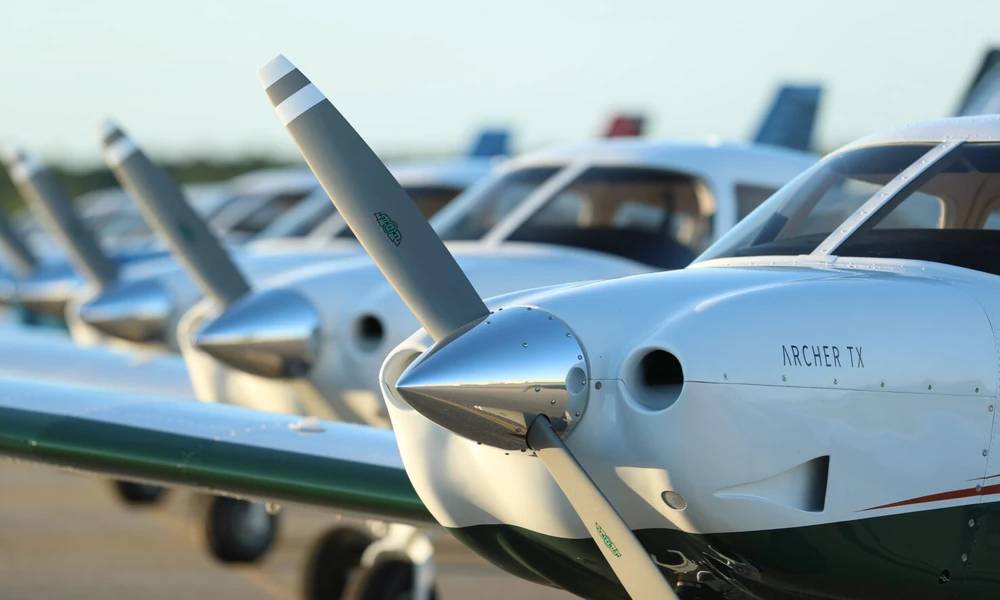
An airliner would appear to be a single aircraft, but this is a machine composed of thousands of individual components. Each one is intended for a specific purpose. And they must function in unison, from engine systems to flight controls.
Airplane parts of good quality are critical for the safety, performance, and reliability of aircraft. Even a simple component can affect how an airplane performs. Hence, aviation companies concentrate on sourcing, inspection, maintenance, & replacement.
What is Personal Property?
The term airplane part encompasses each individual item or assembly that are used in the manufacture, operation maintenance, and repair of an aircraft. Of course, some components are complex and heavy while others small but equally significant.
Common examples include:
- Engine parts
- Landing gear components
- Hydraulic system parts
- Electrical equipment
- Flight control components
- Cabin equipment
- Navigation and communication systems
The aircraft and its operating conditions impose certain technical requirements to which every part needs to comply.
One Aircraft, Many Systems
An aircraft is better imagined as a system of systems, not a single piece of machinery.
The Engine
Thrust for flight is provided by components inside the engine. Turbine blades, elements of the fuel system, seals, and other components are operated under extreme temperatures and pressures.
The Landing Gear
Landing gear supports the aircraft during take-off, landing, and ground movement. Because brakes, wheels, struts, and other related parts are working against large stresses they have to be reliable.
Flight Controls
A pilot needed precise control over the aircraft, all this is facilitated by the components associated with rudder, elevators, ailerons, and control systems.
Electrical and Avionics Systems
Modern aircraft are heavily dependent on electrical and electronic, often abbreviated as E/E by aviation professionals. Sensors, displays, wiring, communication, and navigation equipment all put safely and efficiently into operation.
Why Component Quality Matters?
Nor can some parts simply be treated as standard issue replacement items. Precision in aviation components is a must.
Maintaining parts of substandard quality or not fit for purpose leads to maintenance problems and may even jeopardize safety in flight. This is why operators and maintenance organizations be verified with a number of aspects:
- Correct part number
- Compatibility
- Condition
- Documentation
- Traceability
- Required certification
Another reason is that proper records must be kept throughout the service life of a component.
Replacement Can Be Time-Sensitive
Aircraft operators are not always in a position to wait weeks for a part that is absolutely necessary. A non-available part can prevent an aircraft from leaving the ground and mess up planned operations.
Maintenance teams use the services of reliable suppliers to find appropriate airplane parts in times of replacement. A well-optimized sourcing solution can minimize wait time and put the aircraft back in service sooner.
Choosing the Right Aviation Supplier
A reliable supplier should provide greater than extensive stock. Aircraft systems knowledge, factually correct product information, responsiveness to customer communications, and dependable logistics are all good things.
An experienced supplier can determine the part needed and schedule delivery according to the operator need.
They will Keep the Aircraft Ready till Next Flight
Every component has a job. With the right components correctly sourced, inspected, maintained, and replaced as required, they make aircraft more reliable.
Airplane parts can range from a tiny seal that fits in the palm of your hand to full-fledged avionics components. And without them, safe and efficient airplane operations would not be possible at all. The difference is made between whether an aircraft can be prepared in a scheduled service or emergency by the quality and availability of these components.

Comments are closed.