
Category

Weight Loss

Category

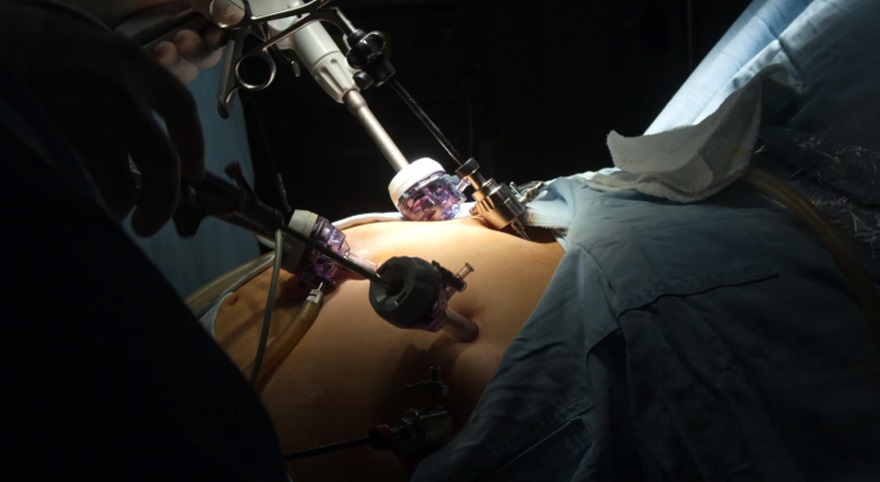
Gastric sleeve surgery is life-changing. It offers an effective way for individuals struggling with obesity to achieve long-term weight loss. If you’re considering the gastric sleeve in Cobb County, understanding the procedure and preparing for it thoroughly is essential. Asking the right questions can help you approach this decision with confidence and clarity.

Am I a Good Candidate for Gastric Sleeve Surgery?

One of the first steps is determining whether this surgery is right for you. Individuals with a body mass index (BMI) of 40 or higher are often ideal candidates. However, a BMI of 35 or higher with obesity-related conditions like type 2 diabetes or hypertension may also qualify. If other weight-loss methods like dieting or exercise haven’t worked, and you’re committed to making lasting lifestyle changes, this procedure might be suitable. Be sure to ask your doctor about any underlying health conditions or medications that could affect your eligibility.

What Does the Procedure Entail?

It’s important to fully understand the surgical process. Gastric sleeve surgery involves removing approximately 75-80% of the stomach, leaving behind a sleeve-shaped pouch. This reduces stomach capacity and helps regulate appetite by affecting hunger-related hormones. Ask your surgeon for a detailed explanation of the surgery, from the anesthetic used to the duration and potential complications. For additional insights, you can explore what a sleeve gastrectomy is and whether it is right for you, as it breaks down the details of the procedure and its suitability.

What Is the Recovery Process Like?

Understanding the recovery period is critical to setting realistic expectations and planning your post-surgical care. Recovery can take a few weeks, during which patients need to follow a progressive dietary plan, starting with liquids and gradually introducing soft and solid foods. Discuss the physical restrictions you might face during recovery and any specific items you’ll need, such as vitamins or supplements. Knowing how much time to take off work and what support to arrange can make this phase smoother.

What Lifestyle Changes Are Needed Post-Surgery?

Gastric sleeve surgery is not a quick fix; success depends on your commitment to adopting healthier habits. Patients must adjust to smaller portion sizes, focus on balanced nutrition, and engage in regular physical activity. Beyond physical health, this procedure brings changes to mental health as well.

Will I Need Follow-Up Care?

After surgery, follow-up care is essential to monitor your progress and ensure long-term success. You’ll likely have regular consultations with your healthcare provider to check on your healing, assess weight loss, and address any complications that arise. Many patients also work with dietitians and counselors to maintain sustainable habits and manage emotional challenges. Don’t overlook this aspect, as ongoing care plays a key role in achieving lasting results.

Are There Alternatives to Gastric Sleeve Surgery?

Before committing, explore other weight-loss options that are available to you. While gastric sleeve surgery is highly effective, some patients might benefit from gastric bypass, adjustable gastric bands, or even non-surgical treatments based on their health profile and goals. Discussing these alternatives with your doctor ensures you’re making the best possible decision for your circumstances.

Conclusion

Gastric sleeve surgery can be a powerful tool for improving your health and quality of life, but it’s not a decision to take lightly. It is crucial to undergo essential tests before gastric bypass surgery to ensure your safety and the procedure’s success. Asking the right questions about candidacy, the procedure itself, recovery, lifestyle changes, costs, and alternatives will help you make a confident and informed choice. Thorough preparation and understanding can significantly enhance your chances of long-term success and satisfaction with the results.

Bariatric surgery is a powerful tool for weight loss and improving health, but long-term success requires a commitment to healthy lifestyle changes, including physical activity. For those who have undergone weight loss surgery in NY, understanding when and how to start exercising is crucial for maximizing results while ensuring a safe recovery.

Exercise helps maintain weight loss, boosts metabolism, and improves overall health. However, it’s essential to approach physical activity carefully during recovery to avoid complications and gradually build endurance.

Why Exercise Is Important After Bariatric Surgery

Regular exercise offers numerous benefits to bariatric surgery patients, including:

  1. Promoting weight loss maintenance
  2. Enhancing cardiovascular health
  3. Increasing energy levels and reducing fatigue
  4. Improving muscle tone and strength
  5. Boosting mental health and reducing stress

In addition, exercise supports better mobility and reduces joint strain, helping patients enjoy an active lifestyle. To learn more about how bariatric surgery improves physical health, explore this article on how weight loss surgery can improve mobility and joint health.

When Can You Start Exercising After Bariatric Surgery?

First Few Weeks: Focus on Rest and Recovery

In the first 2-4 weeks following surgery, the priority is allowing your body to heal. Patients are encouraged to focus on light activities, such as walking, to prevent blood clots and improve circulation. Walking also helps reduce stiffness and boosts energy levels without straining the body.

4-6 Weeks: Incorporate Low-Impact Activities

By the fourth to sixth week, patients can gradually introduce low-impact exercises. These may include:

  1. Light stretching
  2. Stationary cycling
  3. Gentle Yoga

These activities strengthen muscles, improve flexibility, and help establish an exercise routine. It’s essential to listen to your body and avoid any movements that cause discomfort.

6-12 Weeks: Transition to Moderate Exercise

Between six and twelve weeks, patients can start incorporating moderate exercises, such as:

  1. Swimming
  2. Brisk walking
  3. Resistance training with light weights or resistance bands

During this phase, focus on gradually building strength and endurance. Always consult your surgeon or physical therapist to ensure you’re progressing safely.

3 Months and Beyond: Full-Body Workouts

Three months post-surgery, most patients are ready to engage in more dynamic exercises, such as:

  1. Jogging or hiking
  2. Strength training with heavier weights
  3. High-intensity interval training (HIIT)

These exercises help maintain weight loss, improve cardiovascular health, and build lean muscle mass. Incorporating exercises for optimal health after weight loss surgery helps patients improve strength, maintain weight loss, and enhance overall well-being.

Tips for Exercising Safely

Start Slowly and Build Gradually

Avoid rushing into intense workouts immediately after surgery. Begin with short sessions and gradually increase the intensity and duration as your body adapts.

Listen to Your Body

Pay attention to signs of discomfort or fatigue. Stop exercising and consult your healthcare provider if you experience pain, dizziness, or nausea.

Stay Hydrated

Proper hydration is essential during exercise to avoid dehydration, a common concern after bariatric surgery. Sip water throughout the day and during workouts.

Wear Comfortable Clothing and Supportive Shoes

Proper attire ensures comfort and minimizes the risk of injury while exercising.

Working with a Professional

Consider working with a physical therapist or certified trainer experienced in bariatric recovery to develop a safe and effective exercise plan.

Long-Term Benefits of Exercise

Regular physical activity supports long-term weight loss maintenance and enhances overall well-being. Exercise also reduces the risk of chronic conditions like diabetes, heart disease, and high blood pressure, which are often associated with obesity.

Additionally, maintaining an active lifestyle helps improve mental health by reducing stress, boosting confidence, and fostering a positive outlook.

Conclusion

Exercise is integral to recovery and long-term success after weight loss surgery. You can safely build strength and endurance by starting with light activities, progressing gradually, and listening to your body. Regular physical activity with a healthy diet and consistent follow-up care ensures you achieve your weight loss goals while enjoying improved physical and mental health. Making exercise a part of your daily routine sets the foundation for a healthier, more active lifestyle.

Weight loss surgery can be a life-changing decision and a valuable tool in the journey toward better health and fitness. As with any medical procedure, it’s important to be well-informed about the process and follow proper guidelines both prior to and after surgery. One crucial aspect to discuss, and usually overlooked, is the role of physical activity at different stages of your weight loss journey. In this article, we will delve into the importance of exercise before and after weight loss surgery, ensuring the best possible results for long-term success.

The Importance of Physical Activity Before Surgery

While many may think that exercise becomes important only after the surgery, in reality, incorporating physical activity into your daily routine before the procedure is equally essential. Firstly, being more active aids in reducing the patient’s body mass index (BMI) and overall body fat. Consequently, it can lead to fewer complications during surgery and a better surgical outcome.

Additionally, pre-surgery exercise helps the patient to strengthen their cardiovascular fitness, improves their mental health by reducing stress and anxiety, and builds a solid foundation for new and healthier lifestyle habits. If you are considering bariatric surgery, it is essential to consult a qualified professional for weight loss surgery in Tijuana. They can provide expert advice and guidance on how to optimize your physical activity routine before and after surgery, leading to a successful and enduring transformation.

Recommended Activities Prior to Surgery

The primary goal of pre-surgery exercise is to increase cardiovascular endurance, flexibility, and strength. Exercise options can vary, but low-impact workouts are usually recommended as they are suitable for most patients. Popular choices include:

  1. Walking: This low-impact activity is accessible, easy to incorporate into daily life, and can be adjusted to fit the individual’s fitness level.
  2. Swimming or water aerobics: These activities offer a full-body workout and are gentle on joints, making them an excellent option for individuals who may experience joint pain or mobility issues.
  3. Yoga or pilates: These practices not only improve flexibility and core strength but can also help in managing stress and anxiety.

Post-Surgery Physical Activity

After weight loss surgery, exercise becomes even more crucial. Engaging in regular physical activity helps to maintain weight loss, build lean muscle mass, and improve overall health and well-being. Here are some essential tips for post-surgery exercise:

  1. Follow the physician’s advice: Before starting any physical activity after surgery, consult with your healthcare provider to determine the appropriate time and intensity. Generally, light exercise such as walking can begin as early as the first or second week after surgery.
  2. Gradual progression: Begin your exercise regimen slowly and increase intensity and duration over time, ensuring safety and avoiding injury.
  3. Incorporate variety: Include a mix of cardiovascular exercises, strength training, and flexibility activities to achieve a balanced workout routine.
  4. Find a support system: Joining a community of individuals going through similar experiences can provide motivation, accountability, and understanding.

To Sum Up

Exercise is a crucial aspect of the weight loss journey, before and after surgery. As noted above, incorporating physical activity into your daily routine prior to surgery can reduce BMI and body fat while strengthening your cardiovascular fitness. Afterward, regular exercise helps maintain weight loss while building muscles and improving overall health. Remember to follow your physician’s advice on post-surgery exercise intensity and duration if you are considering the procedure. With dedication and patience, physical activity can be an invaluable tool in your journey toward better health and fitness. Good luck!

Gastroesophageal reflux disease (GERD) is a severe digestive disorder that can cause frequent heartburn, acid reflux, and other uncomfortable symptoms. While the exact cause of GERD is unknown, it has been linked to certain lifestyle factors, including stress and anxiety. In this article, we’ll explore the potential link between GERD and anxiety, as well as how managing stress and anxiety levels may help to reduce symptoms of GERD.

Stress and Anxiety: Potential Causes of GERD

Recent studies have revealed that stress and anxiety can worsen the symptoms of GERD. Stress can increase stomach acid production, leading to uncomfortable heartburn. In addition, increased levels of stress hormones can cause tightening of the chest muscles, making it difficult to digest food, and may lead to GERD symptoms.

Also, when you’re stressed or anxious, you may be more likely to engage in behaviors that can trigger GERD, such as smoking or overeating. There are certain best foods for Heartburn & GERD that can help manage the condition. Whether you’re just looking for relief from occasional heartburn or something more long-term, knowing your option is essential for managing your health.

How to Manage Stress and Anxiety Levels

If you suffer from GERD, managing stress and anxiety levels is essential. This can help reduce the frequency and severity of your symptoms. Here are some tips for managing stress and anxiety:

– Daily relax with calming activities such as yoga or meditation.

– Spend time with loved ones, either in person or virtually.

– Exercise regularly to help reduce stress and improve physical fitness.

– Practice deep breathing exercises whenever you feel stressed or anxious.

– Ensure you sleep well each night (7–9 hours is recommended).

Research has shown that people who suffer from GERD often also struggle with heightened stress and anxiety levels. This is because the same nerves in the brain that control digestion can also influence emotions, which means that feeling anxious or stressed can lead to digestive issues like GERD.

As such, it’s not surprising that research shows a correlation between GERD and anxiety. The good news is that by following steps to reduce stress and anxiety, you can help manage your GERD symptoms. Moreover, you can also look for GERD reflux in Baltimore specialists who can help provide you with the right treatment and advice.

To Conclude 

There is a strong link between GERD and anxiety. Stress and anxiety can worsen the symptoms of GERD by causing an increase in stomach acid production or tightening of chest muscles. Consulting with your doctor about ways to manage GERD is highly recommended. With the right treatment plan, you can take control of your symptoms and live a more comfortable life. Thanks for reading!

Are you considering weight loss surgery? Despite how intimidating it may seem, there are a variety of surgical options available to help you achieve your weight loss goals. One of the most popular bariatric surgeries is lap-band and gastric sleeve surgery. When it comes to lap-band vs. gastric sleeve surgery, it’s important to understand the differences between the two procedures to make an informed decision. So, without further ado, let’s dive into the facts about lap band and gastric sleeve surgery to help guide your decision.

Why Should You Consider Weight Loss Surgery?

Weight loss surgery can be an effective option for those struggling to lose weight, especially if you have tried other methods without success. It’s important to note that weight loss surgery is not a quick fix, but rather it helps you make permanent lifestyle changes. Those who choose to undergo this type of surgery must commit to regular follow-up visits with their doctor and a healthy diet and exercise plan in order for it to be effective. The surgery can help you achieve a healthier weight, reduce your risk of obesity-related diseases, and improve your quality of life.

Lap-Band Surgery

Lap-band surgery is a restrictive type of bariatric surgery that involves placing an adjustable silicone band around the stomach. This can be done laparoscopically, meaning it is a minimally invasive procedure with smaller incisions and a shorter recovery time. The band is adjusted to your individual needs based on how much weight you want to lose and how fast you would like to do it.

The band creates a small pouch in the upper part of your stomach and restricts food intake, which helps promote weight loss. So, it is important to remember that this procedure will require frequent check-ups and adjustments by your doctor over time. Additionally, you may check out how much weight will you lose after lap band surgery so that you will have a better idea. Lastly, lap-band surgery is generally reversible, so you can have it removed if needed.

Gastric Sleeve Surgery

Gastric sleeve surgery is also a restrictive procedure, but it is more permanent than lap-band surgery. This type of bariatric surgery involves the removal of a large portion of your stomach and reshaping it into a tube-like structure. This procedure helps reduce the size of your stomach, which limits the amount of food that can be consumed at once and leads to weight loss. The surgery is done laparoscopically, and recovery time is generally shorter than that of lap-band surgery.

You should also keep in mind that gastric sleeve surgery is irreversible, so it is important to consider all of the risks and benefits before making a decision. Additionally, gastric sleeve surgery requires a lifelong commitment to healthy eating and regular exercise in order for it to be effective.

Which Option is Right for You?

When it comes to lap-band vs. gastric sleeve surgery, there is no single answer that will work for everyone. It is vital to do research and talk to your doctor about both options in order to make an informed decision. For instance, by consulting with a doctor for lap band surgery in New Mexico, you will be able to understand if you are the right candidate for the procedure and what to expect during and after surgery. Your doctor can also provide you with the guidelines for a successful weight loss journey and discuss the risks of each procedure. Ultimately, it is up to you to decide which option is best for your individual needs.

To Conclude

Lap-band and gastric sleeve surgery are both effective options to help you reach your weight loss goals. By doing research and consulting with your doctor, you can make an informed decision about which procedure is right for you. So, it is essential to remember that weight loss surgery requires a permanent commitment to healthy eating and exercise for you to achieve lasting success. Good luck on your weight loss journey!

Most people know that they need to make some changes to their lifestyle after bariatric surgery. One of the most common questions post-surgery is whether or not you can drink beer. In this article, we will explore the effects of drinking beer after bariatric surgery and give tips on ensuring that you are staying healthy and following your surgeon’s guidelines.

Is it safe to drink beer after bariatric surgery?

If you have crossed the six-month mark, you may be able to have a beer occasionally. However, it’s important to remember that alcohol can increase your chances of experiencing complications and side effects after bariatric surgery. It can also slow down your recovery process and lead to weight gain if consumed in excess. For these reasons, it is best to ask a qualified surgeon for bariatric surgery in Mexico before indulging in any alcoholic beverages. They will be able to advise you on the best course of action for your particular situation.

Tips for Drinking Beer After Bariatric Surgery

  1. Limit your intake – One or two beers a week is generally considered safe if you have had bariatric surgery. However, any more than that may result in weight gain and other adverse side effects.
  1. Consider the type of beer – Opt for lower calorie beers, such as light beers or those with low alcohol by volume (ABV) content. This will help minimize the amount of calories and carbohydrates you consume.
  1. Choose occasional drinks – Try to limit your drinking to special occasions, such as holidays, birthday parties, or family gatherings. This will help you avoid alcohol-related temptations and allow you to focus on staying healthy.
  1. Avoid mixes – Simple beer is best after bariatric surgery. However, mixed alcoholic beverages often contain high amounts of sugar and calories, so it’s best to avoid them altogether.

However, if you still have doubts or concerns about whether you can drink alcohol after bariatric surgery, it is best to consult your surgeon or a qualified bariatric nutritionist. They can provide you with additional advice and guidance on how to make the most of your post-surgery lifestyle. Also, make sure to follow your surgeon’s post-op instructions carefully and make healthy choices when it comes to food and drink.

Conclusion

Drinking beer after bariatric surgery is possible, but it should be done with caution and moderation. Always follow the advice of your surgeon and make sure to limit your intake. With these tips in mind, you can enjoy a beer occasionally while still staying healthy and safe.

If you are one of the many people who have undergone bariatric surgery, you may be wondering when it is safe to return to work. There are many things to consider before making the decision to return to work. In this article, we will discuss some of the factors you need to take into account. So, keep reading to know more.

1. Prioritize your recovery

Your recovery should be your top priority after bariatric surgery. Depending on the type of surgery you have, you may need to stay in the hospital for a few days. Once you are discharged, you will need to rest and recover at home. During this time, try to avoid any strenuous activity like driving or operating heavy machinery. You may even consider checking out the driving restrictions after bariatric surgery, as this is an important safety consideration. So, make sure to give your body the time it needs to recover before returning to work.

2. Consider the type of job you have

The type of job you have will also be a factor in deciding when to return to work. If you have a physically demanding job, then it may not be wise to return to work too soon. On the other hand, if you have a sedentary job, then you may be able to return to work sooner. It is important to talk to your surgeon about your job and whether or not it is safe for you to return to work. They will give certain recommendations based on your individual case. Make sure to follow their guidelines to ensure a safe and successful recovery.

3. Listen to your body

Last but not least, you need to listen to your body. If you feel like you are not ready to return to work, then don’t force it. It is important to take things slow and steady after bariatric surgery. You must also remember that it takes time to recover both physically and emotionally. Eat healthily and stay hydrated; if you are not feeling up to it, then don’t push yourself too much. Talk with a professional surgeon for advanced bariatric surgery in Lubbock to help you cope with post-surgery issues. Make sure to take your time in making this decision and listen to your surgeon’s advice.

To Sum It Up

That’s all for now! Returning to work after bariatric surgery can be a daunting task. But it is important to take things slow and listen to your body. Remember to listen to your surgeon’s advice, and feel free to contact a professional bariatric surgeon if you have any concerns.