
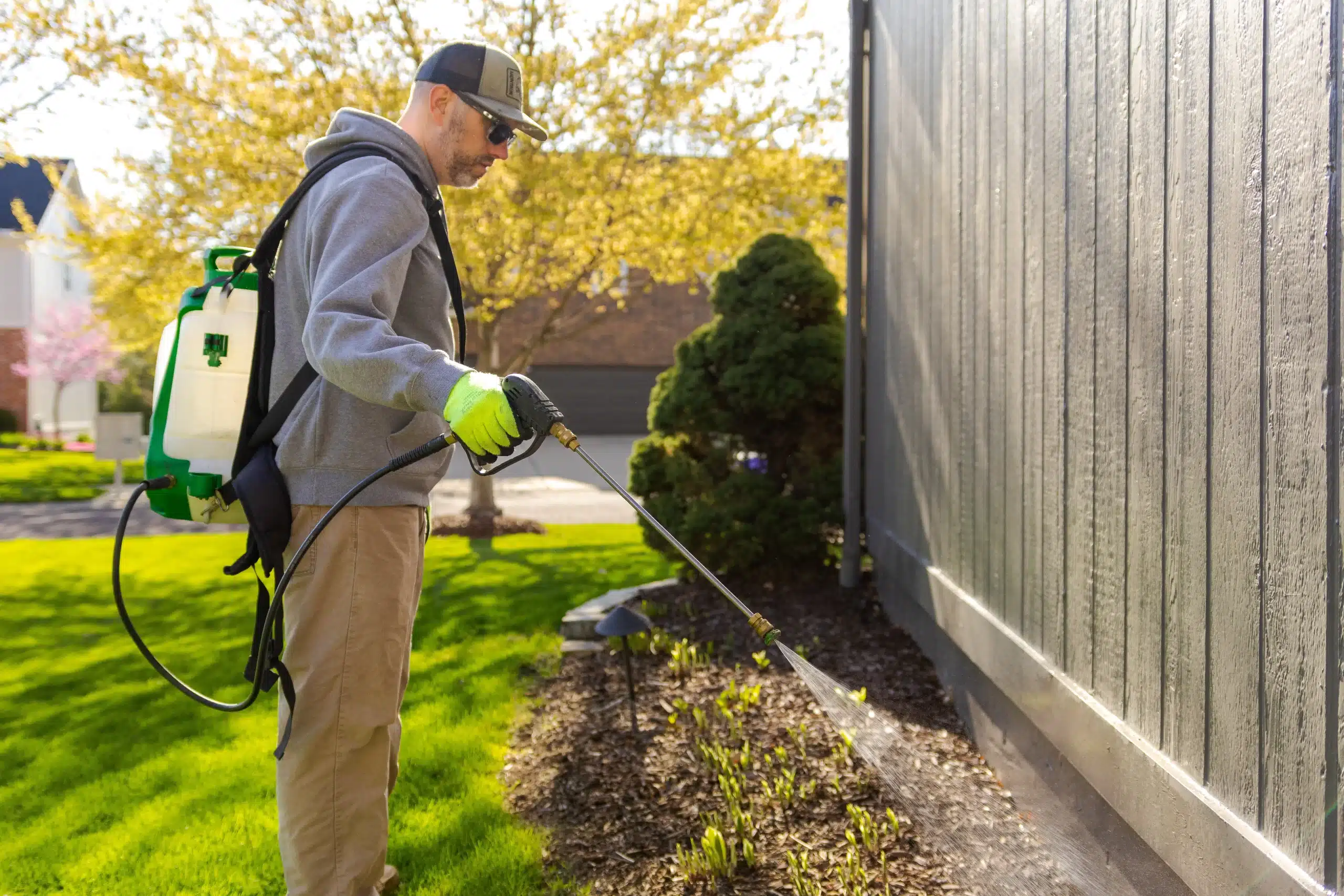
People who live in Kansas City know that pest infestations are uncommon here, and the problems persist across seasons. From older neighborhoods like Waldo and Brookside, to areas close to the river, such as the River Market and North KC, pests are seen in almost every zone. Besides specific local factors, seasonal shifts also impact pest issues. Summers here are humid, while winters have freeze-thaw cycles. There are also rainstorms and sudden temperature shifts. If you see early signs or visible insects/mice, search for pest control near me without delay. Companies like Saela Pest Control offer prevention plans and fast assistance across Kansas City and are known for their expertise. In this guide, we will discuss more about the challenges here.
Challenge 1: High Humidity & Frequent Rainfall
Moisture in soil, especially around foundations, is the prime reason for ant and spider activity. KC has months of humidity, which allows pests to thrive. Properties that have mulch beds are prone to more insects, as mulch can retain moisture. Rainstorms, which are usual in this part of Missouri, can wash away exterior treatments, which means the results don’t last long. Homes that have damp basements and garages have frequent indoor pests.
Challenge 2: Aging Structures
Many properties in KC are old and have aging structures with gaps, which make it easy for rodents and insects to invade homes. Basements can absorb moisture and remain thriving grounds for pests for months. Residents don’t usually pay as much attention to sealing as they should, which only accentuates existing problems. Not to forget, freeze–thaw cycles impact older homes more than new construction.
Challenge 3: Dense Vegetation and Shaded Neighborhoods
Tree cover in Brookside/Waldo creates natural habitats for many species, especially ants and spiders. Shade doesn’t allow mulch beds to dry, and ground insects easily grow in such conditions. Lack of landscaping in many homes only causes additional problems, as pests continue to use tree branches and shrubs as bridges to reach rooflines.
Challenge 4: Rodent Pressure in Selected Areas
Many neighborhoods close to the Missouri River, Kaw River, and large drainage corridors have more rodents than other suburban areas. During fall and winter, rats and mice migrate from urban areas to suburbs. With rodents, the concern extends beyond the evident damage. While rats can chew through everything, including insulation and wires, these pests can also spread many diseases.
Challenge 5: Seasonal Pest Patterns Shift Rapidly
You will notice different infestations in Kansas City as seasons change. For example, spring is all about ants, while spiders, wasps, and other flying insects are seen during summer. Fall is about rodents, and winter includes overwintering insects. Unpredictable weather further delays/alters these cycles, which makes it hard to handle infestations.
Challenge 6: Reinfestation Due to Neighborhood Patterns
Just keeping your home clean won’t suffice, especially if rodents and roaches are active in your neighborhood. Rodents can easily move between properties that have connected alleys or are close to greenbelts. High home density in Midtown often means similar problems for all homes in the local area.
Challenge 7: DIY Has Limitations in KC
DIY doesn’t work for many KC homes, primarily because infestations aren’t related to just one factor. As we discussed above, lack of proactive measures, neighborhood problems, and sudden temperature changes all impact pest issues. Many homeowners aren’t sure of what products to use, while others end up missing out on application techniques and dosage. The truth is that ready sprays only kill visible insects, and for long-term relief, professional measures and proactive steps are a must.
If you haven’t called a pest control company in Kansas City in the last few months, it is time to get the property checked. Don’t shy away from asking relevant questions about their approach and whether their products are safe for pets, other animals, and the planet.


Comments are closed.