









Which Common Workplace Accidents Qualify for Workers’ Compensation?
Have you ever wondered what kind of incidents are covered by workers’ compensation? Many employees experience injuries on the job, but not all of them qualify for financial assistance. Understanding which incidents are covered can help you navigate the complex claims process. There are several types of injuries that fall under workers’ compensation guidelines, and knowing these can make a significant difference when seeking benefits.
Slip and Fall Incidents
Common work accidents like slips and falls are among the most frequent types of injuries at work. These events can occur in almost any setting, from an office to a construction site. When a person slips on a wet floor or trips over a misplaced object, it can result in sprains, fractures, or more severe injuries. If an employee falls during the course of their duties, they may be entitled to workers’ compensation benefits, especially if the fall was caused by an unsafe environment or hazardous conditions.
Overexertion Injuries
Overexertion is another significant contributor to work-related injuries. Lifting heavy objects improperly or performing repetitive movements can lead to strains, sprains, and muscle injuries. These injuries are especially prevalent in physically demanding fields such as warehousing, retail, and construction. In such cases, workers may be eligible for compensation if the injury occurred as part of their daily tasks. The nature of overexertion injuries can vary, but they often involve long-term pain and recovery time, which makes timely workers’ compensation claims essential for medical and financial support.
Vehicle-Related Injuries
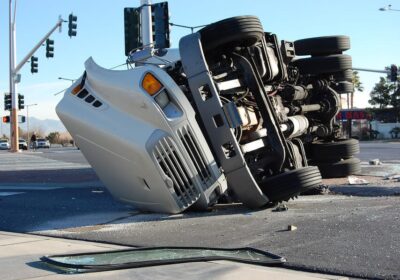
Employees who drive for a living or use company vehicles are at a higher risk of vehicle-related injuries. Accidents during work-related travel, whether in a company car, truck, or while operating machinery, can result in serious harm. This can include crashes, collisions, or being struck by a vehicle. Such incidents can lead to a range of injuries from whiplash to more severe spinal injuries. If the injury was directly related to job duties or occurred during work hours, it is likely to qualify for workers’ compensation coverage.
Repetitive Stress Injuries
Repetitive stress injuries, also known as repetitive strain injuries (RSIs), are common in jobs that require the same movements throughout the day. These injuries typically involve the muscles, tendons, and nerves and can lead to long-term damage. Workers in administrative roles, assembly lines, and even those in retail or food service are at risk. Carpal tunnel syndrome and tendonitis are prime examples of conditions caused by repetitive movements. These types of injuries often qualify for workers’ compensation if they can be traced back to regular job tasks that involve repetitive motion.
Burns and Chemical Exposure
Certain professions, especially in industries like manufacturing, construction, and healthcare, may expose workers to hazardous materials, including chemicals or extreme heat. Burns from contact with fire, hot surfaces, or chemicals are a serious concern in these environments. If an employee suffers a burn injury while carrying out work duties, they are generally eligible for workers’ compensation. Chemical exposure can also lead to respiratory issues, skin irritation, or long-term health problems. If the injury occurred on the job, workers’ compensation is often available to cover medical expenses and lost wages.
Understanding what common work accidents qualify for workers’ compensation is crucial for both employers and employees. While some injuries are more obvious, such as slip and fall incidents, others, like repetitive stress injuries or mental health conditions, may not always be immediately apparent. If you’ve suffered a work-related injury, it’s important to seek professional guidance to determine your eligibility and navigate the claims process effectively.