
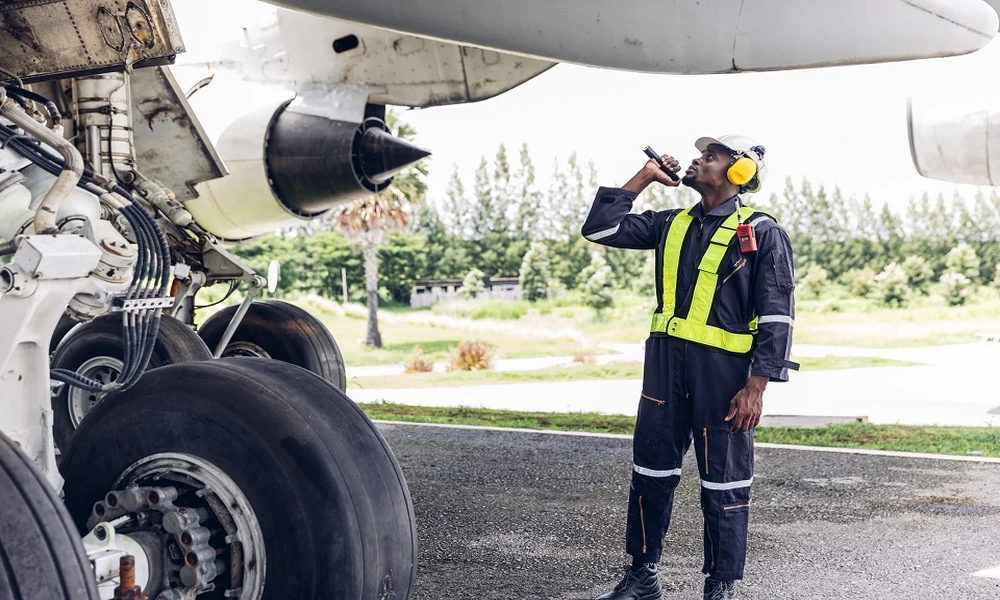
A grounded plane is not merely an account of maintenance challenges. It has the ability to affect flight schedules, travelers, crew members, cargo, and strike an airline in the wallet.
In the event that a plane cannot take off because of an unanticipated technical problem, time is essential. And this is exactly where AOG support can help the most.
Flying Anyway with a Non-Flying Plane
Let’s say this aircraft has a long flight coming up. An item, during a regular inspection, is discovered to be defective.
Until the problem is fixed, the aircraft cannot be released for departure.
The airline required answers fast:
- What caused the problem?
- Which replacement part is needed?
- Is the part available?
- How much faster is it falling down than the plane?
- Who can complete the repair?
If you delay the search for one answer, it can cause a much bigger operational issue.
Why AOG Events are Different?
Generally, maintenance can be scheduled ahead of time. An aircraft-on-ground event is different.
The plane has become unavailable unexpectedly, and the regular schedule may be under stress already. It could also end up leaving little time to source parts, or arrange for qualified people to carry out the maintenance.
This urgency is what effective AOG support has been structured around. It maps the correct capabilities efficiently to the demand.
What Happens Behind the Scenes?
There are always multiple moving parts to a successful response.
Identify the requirement
Maintenance teams decide what part, tool, or technical support is required.
Locate the resource
Suppliers and support teams will peek into available stock, or appropriate alternatives.
Coordinate transportation
When the necessary item is found, logistics teams coordinate having it delivered to the aircraft’s location.
Support the maintenance team
At that stage, however, the part or technical resource needs to get to the right people without losing time.
Get the aircraft moving again
Once the check is performed and repair done, checks out OK for the aircraft to get back in service.
Every stage needs accurate communication.
What Makes AOG Support Effective?
Note that speed is important, but on its own no alternative to accuracy, and in fact, introduces a range of new problems. Aviation demands medical review, documentation, and more than qualified approvals of procedures.
Strong support should therefore combine:
- Rapid response
- Reliable parts sourcing
- Global logistics coordination
- Clear communication
- Technical knowledge
- Accurate documentation
- Safety-focused processes
Choosing a provider that knows aviation can mitigate confusion when emotions are heightened.
The Cost of Waiting
A grounded airplane incurs costs that can far exceed the original mechanical problem.
A delay can result in rescheduling or not being able to operate a flight, aircraft replacements, passenger displacement, rebooking, increased labor costs, and failed service commitments.
This is why AOG events are often treated as high-priority situations by airlines and other aviation operators.
Preparing Before Problems Occur
AOG (Aircraft on Ground) events always occur at the worst of all times and during peak demand periods making them even more disruptive to operations.
Operators can put supplier contracts in place, evaluate parts availability, and escalation procedures for critical parts. Although that may not be the reality, having these systems prepared can lessen the time it takes to respond when a unique problem arises.
In the end, it is all in keeping disruption oriented and ensuring best AOG support. Fast coordination, accurate information, and reliable resources can help get operations back on track safely when an aircraft needs to remain on the ground.

Comments are closed.