Category

Health

Category

Do you or a loved one need help with mental health and substance use disorders? If so, a dual-diagnosis treatment program may be the right choice. Dual-diagnosis treatment programs focus on concurrently addressing addiction and mental health disorders. Reach out to Mallard Lake Detox Center to learn about our dual diagnosis treatment program in Houston. We are here to help you get the care you need. Contact us today to start your recovery journey.

Understanding Dual Diagnosis

Dual diagnosis refers to the coexistence of a mental health disorder and a substance use disorder in an individual. This treatment model incorporates strategies that simultaneously address both disorders. Therefore, it is crucial to address both conditions, as untreated mental health disorders often lead to drug abuse, and vice versa.

What Is The Relationship Between Mental Health And Drug Use?

The relationship between mental illness and substance use is complex. Individuals with mental health disorders can use alcohol and other substances for similar reasons as others, trying to find relaxation or a sense of well-being.  Mental illness can occasionally precede substance use, which often begins as a form of self-medication or coping strategy. In other cases, drug abuse and mental health disorders develop simultaneously and result from the same sources like trauma, stress, or genetic factors. Substance use can alter the chemical equilibrium in the brain, leading to mental health disorders or aggravating existing mental illnesses.

What to Expect from Dual Diagnosis Treatment Programs

Detox Center

A dual-diagnosis treatment program combines traditional addiction treatments with specialized therapies to address coexisting mental health disorders. Successful dual diagnosis treatment concurrently addresses both the mental health condition and the drug use disorder through an integrated care approach. At Mallard Lake Detox Center, we understand the significance of addressing every aspect of our clients’ well-being beyond merely their addictions and we provide dual diagnosis treatment programs customized to fulfill each individual’s needs.

Signs and Symptoms of Dual Diagnosis 

Recognizing the signs and symptoms of dual diagnosis is a crucial first step in seeking effective treatment. However, these symptoms can be complex due to the interconnected nature of substance abuse and mental health disorders.

  • Intense emotional shifts.
  • Avoiding friends and family.
  • Using drugs or alcohol to cope.
  • Unexplained aggression or recklessness.
  • Difficulty with work or responsibilities.
  • Experiencing things that aren’t real.
  • Engaging in self-destructive behavior.
  • Frequent conflicts with others.
  • Refusing to acknowledge problems.

The Significance of Dual Diagnosis Treatment

Dual diagnosis treatment is vital since it targets the underlying cause of addiction. Many people resort to substances such as drugs or alcohol to manage the symptoms of a mental health issue. Simultaneous treatment of both disorders enables patients to acquire better strategies for symptom management and reduces the likelihood of recurrence.

Get Comprehensive Dual Diagnosis Treatment at Mallard Lake Detox Center in Houston – Start Your Recovery Today!

Choosing Mallard Lake Detox Center for dual diagnosis treatment shows a commitment to a program that comprehensively understands the complex relationship between mental health and substance use disorders. Our approach ensures that every aspect of an individual’s condition is considered, promoting a solid and enduring recovery.  Allow us to help you regain control and start a new chapter where health and well-being come first. Contact Mallard Lake Detox Center in Houston, TX, today to learn more about our dual diagnosis treatment.

The body responds to acoustic wave pulses by generating new blood vessels in treated areas. This process awakens dormant stem cells, triggering tissue repair mechanisms. The gentle waves pass through skin layers, reaching deeper structures without damaging surrounding tissues. Men experience minimal discomfort during sessions, making it suitable for those seeking discreet treatment options.

Research findings show improvement.

Studies document increased blood circulation following targeted acoustic wave treatments. Participants reported heightened sensitivity within 6-8 weeks of starting therapy. The results indicated sustained improvements lasting beyond 12 months post-treatment. Medical teams noted enhanced tissue responsiveness in follow-up examinations.

Treatment schedule effectiveness

Initial sessions establish baseline responses, allowing medical teams to adjust settings appropriately. Most men undergo 6-12 treatments spread across several weeks. This spacing enables natural healing between visits while maintaining momentum. Regular assessments track progress throughout the course.

Men receiving mobile shockwave for ED treatments showed marked improvements by week eight. The convenience factor increased adherence rates compared to traditional options. Home-based services eliminated transportation barriers while maintaining medical standards.

Natural healing activation

The body initiates repair processes after each session, rebuilding vascular networks gradually. This steady approach yields lasting results without rushing natural healing timelines. Tissue regeneration continues between treatments, maximizing therapeutic impact.

  • Increased nitric oxide production
  • Enhanced stem cell activation
  • Improved nerve sensitivity
  • Strengthened muscle tissue
  • Better nutrient delivery

Clinical monitoring importance

Medical teams track vital signs during treatments, ensuring optimal responses. Documentation helps identify patterns requiring adjustment. Regular updates enable fine-tuning protocols based on individual reactions.

Lifestyle considerations

Sleep patterns influence treatment outcomes significantly. Balanced nutrition supports tissue repair mechanisms effectively. The regular movement maintains circulation between sessions. These elements work together, supporting the overall restoration.

Creating supportive environments

Quiet treatment spaces reduce stress levels during sessions. Temperature control maintains comfort throughout procedures. Proper positioning maximizes wave delivery accuracy. These details contribute toward positive experiences.

Safety protocols adherence

Medical equipment undergoes regular calibration checks. Treatment areas receive thorough preparation before each session. Staff members maintain strict hygiene standards throughout procedures. Documentation ensures consistent protocol application.

Research validation process

Independent studies confirm positive outcomes across diverse groups. Documentation methods track improvements objectively. Statistical analysis validates observed changes reliably. This evidence base supports continued protocol refinement.

Extended improvement cycles

Results continue developing after completing the treatment series. Bodies maintain enhanced function through natural processes. Regular activities support ongoing improvements effectively. This progression demonstrates treatment durability.

Building treatment consistency

Standard operating procedures guide each session precisely. Equipment settings match individual requirements exactly. Treatment areas receive consistent coverage thoroughly. These practices ensure reliable outcomes.

Progress evaluation methods

Regular assessments measure functional improvements accurately. Physical examinations track tissue changes systematically. Documentation provides clear evidence of progress. These records guide future treatment decisions.

Shockwave therapy demonstrates promising results for men experiencing decreased desire. Shockwave for ED Mobile improves access to treatment while upholding high medical standards. This approach supports natural healing processes effectively, leading toward improved function without invasive measures.

Combining precise protocols and convenient mobile shockwave for ED services creates positive outcomes. Men report increased satisfaction with both treatment processes and results. This evidence-based approach continues to gain acceptance among medical practitioners worldwide.

Recovery from addiction is a deeply personal and transformative process. It isn’t a one-size-fits-all journey but rather a progression through distinct stages of change that mark significant milestones toward healing. Recognizing these stages is crucial for individuals seeking support and for professionals assisting them. Facilities such as an addiction recovery center in St. Lucie County provide the comprehensive care that individuals need to move successfully through these stages and achieve lasting recovery.

Stage 1: Precontemplation

The first stage, contemplation, is characterized by denial or a lack of awareness. At this point, individuals may not recognize the extent of their addiction or understand the negative consequences it has on their lives. They may even resist conversations about substance abuse, believing they have their situation under control.

Medical professionals and counselors play a vital role in this stage by fostering trust and raising awareness. Through nonjudgmental dialogue, they plant the seeds of realization that can grow into motivation for change.

Stage 2: Contemplation

During the contemplation stage, individuals begin acknowledging that they have a problem. They start weighing the pros and cons of changing their behavior, sparking a deeper internal conflict. While they haven’t committed to change yet, they are more open to exploring options for recovery.

This is a highly reflective phase, where people start considering how addiction impacts their relationships, careers, and overall health. Outpatient addiction programs often target individuals at this point, helping them develop realistic views of recovery. It’s important to recognize how understanding outpatient addiction treatment can guide better decision-making.

Stage 3: Preparation

The preparation stage is when individuals finally decide to take action. They might begin by gathering information, speaking to professionals, or reaching out to supportive friends and family. This phase indicates a strong intent to make significant lifestyle changes as individuals actively search for actionable ways to overcome addiction.

At this juncture, enrolling in a professional recovery program becomes a priority. Trained addiction specialists can collaborate with individuals to design structured plans, ensuring readiness to face the challenges ahead. The preparation stage also marks the transition away from contemplation toward meaningful action.

Stage 4: Action

The action stage is where change becomes visible. Individuals implement steps to end addictive patterns and replace them with healthier behaviors. They might undergo detox, start therapy, or enroll in long-term rehabilitation programs that provide structural support.

This stage often requires immense effort and commitment as individuals face emotional, psychological, and physical obstacles. Professional rehabilitation facilities are especially valuable during this stage, as they offer the tools and resources needed to maintain progress. For individuals completing a treatment program, exploring plans for ongoing aftercare is key to ensuring consistency. For more insights on the importance of aftercare in addiction recovery, refer to this article. Continued care is an essential element in combating relapse and creating a sustainable recovery plan.

Stage 5: Maintenance

The final stage, maintenance, is about sustaining the progress achieved. Individuals continue reinforcing new habits and coping mechanisms to prevent relapse. This involves staying connected to supportive communities, attending therapy sessions, or participating in groups like Alcoholics Anonymous or similar programs.

Addiction recovery is a lifelong commitment, and the maintenance phase emphasizes the importance of staying vigilant. A structured aftercare plan plays a critical role in helping individuals uphold their sobriety and thrive in a substance-free life.

Conclusion

The stages of change in addiction recovery provide a roadmap to navigating the complex emotional and psychological aspects of healing. From the initial recognition of the problem to the sustained effort to maintain progress, each stage requires dedication and support. Guided by compassionate care and evidence-based practices, recovery becomes achievable and sustainable for those willing to commit to the process. Recognizing and respecting these stages empower individuals and their loved ones to approach addiction recovery with patience, understanding, and resolve.

Starting a new treatment can bring a mix of curiosity and anxiety. If you’re considering Esketamine therapy, knowing what to expect during your first session may help alleviate concerns and prepare you for a smoother experience. Understanding the process for those beginning their treatment at a Spravato treatment center in Maryland ensures you feel more confident and supported throughout your healing.

This guide will walk you through the key phases of your initial session, the roles of your healthcare team, and tips on approaching your treatment with an open mind.

Introduction to Your First Spravato Session

Your first appointment usually starts with a detailed conversation between you and your treatment team. During this time, professionals will review your mental health history, current symptoms, and overall wellness goals. The session begins in a private, safe setting where you can relax and get comfortable. The therapy works best when you’re mentally prepared and at ease.

The Spravato Administration Process

Once you’re settled, your healthcare provider will begin administering the medication. Spravato is a nasal spray containing Esketamine, a fast-acting antidepressant designed for individuals with treatment-resistant depression or severe mental health challenges. During the session, a nurse or professional will guide you on using the device correctly and ensure the medication is delivered effectively.

After the administration, you’ll remain under observation for about two hours. This monitoring period allows the team to assess your response to the treatment and address any immediate concerns. Discovering how to find certified Spravato treatment centers ensures you receive care from qualified professionals for optimal treatment outcomes.

What You May Experience During the Session

During your first treatment session, you may notice various sensations or emotions. Many patients report feeling calm or detached shortly after administering the nasal spray. Some individuals describe mild dizziness, a dreamlike state, sensory perception changes, and typical medication reactions.

The experience may vary depending on factors such as your current mental state, sensitivity to the treatment, and the guidance of medical professionals. Rest assured, your team will prioritize your safety and comfort, encouraging open communication about how you feel during and after the session.

Preparing for Your First Appointment

Before arriving for your first session, follow any specific instructions your healthcare provider provides. This might include fasting for a certain period or avoiding certain medications. It’s a good idea to arrange transportation beforehand, as side effects of Esketamine may temporarily impair your focus and motor skills. You can also pack comfortable items, like a blanket or calming playlist, to help you relax during the session.

If you’d like to explore more about the treatment and patient outcomes, a helpful resource on Spravato treatment dives deeper into what makes this approach effective for individuals fighting depression.

Post-Treatment Insights

After your session, you’ll feel relaxed and groggy. It’s common for healthcare providers to discuss the next steps with you, including follow-up appointments and how to track your progress. Over time, you’ll notice improvements in your mood and mental health as subsequent treatments build upon the initial session’s foundation.

The frequency and duration of Spravato treatments may vary depending on the individual. During the first few weeks, your provider may recommend twice-weekly sessions and gradually taper the frequency based on your response to the therapy.

Conclusion

Your first Spravato treatment session marks an essential step in your mental health recovery. You can approach it more efficiently and confidently by understanding what to expect. With the support of a qualified Spravato treatment center and a willingness to trust the process, your path toward a happier, healthier mindset becomes clearer. Spravato therapy offers an innovative solution for those battling treatment-resistant depression, providing hope and relief for individuals seeking meaningful change in their lives. Each session is an opportunity to build resilience and move closer toward your mental health goals.

Bariatric surgery is a powerful tool for weight loss and improving health, but long-term success requires a commitment to healthy lifestyle changes, including physical activity. For those who have undergone weight loss surgery in NY, understanding when and how to start exercising is crucial for maximizing results while ensuring a safe recovery.

Exercise helps maintain weight loss, boosts metabolism, and improves overall health. However, it’s essential to approach physical activity carefully during recovery to avoid complications and gradually build endurance.

Why Exercise Is Important After Bariatric Surgery

Regular exercise offers numerous benefits to bariatric surgery patients, including:

  1. Promoting weight loss maintenance
  2. Enhancing cardiovascular health
  3. Increasing energy levels and reducing fatigue
  4. Improving muscle tone and strength
  5. Boosting mental health and reducing stress

In addition, exercise supports better mobility and reduces joint strain, helping patients enjoy an active lifestyle. To learn more about how bariatric surgery improves physical health, explore this article on how weight loss surgery can improve mobility and joint health.

When Can You Start Exercising After Bariatric Surgery?

First Few Weeks: Focus on Rest and Recovery

In the first 2-4 weeks following surgery, the priority is allowing your body to heal. Patients are encouraged to focus on light activities, such as walking, to prevent blood clots and improve circulation. Walking also helps reduce stiffness and boosts energy levels without straining the body.

4-6 Weeks: Incorporate Low-Impact Activities

By the fourth to sixth week, patients can gradually introduce low-impact exercises. These may include:

  1. Light stretching
  2. Stationary cycling
  3. Gentle Yoga

These activities strengthen muscles, improve flexibility, and help establish an exercise routine. It’s essential to listen to your body and avoid any movements that cause discomfort.

6-12 Weeks: Transition to Moderate Exercise

Between six and twelve weeks, patients can start incorporating moderate exercises, such as:

  1. Swimming
  2. Brisk walking
  3. Resistance training with light weights or resistance bands

During this phase, focus on gradually building strength and endurance. Always consult your surgeon or physical therapist to ensure you’re progressing safely.

3 Months and Beyond: Full-Body Workouts

Three months post-surgery, most patients are ready to engage in more dynamic exercises, such as:

  1. Jogging or hiking
  2. Strength training with heavier weights
  3. High-intensity interval training (HIIT)

These exercises help maintain weight loss, improve cardiovascular health, and build lean muscle mass. Incorporating exercises for optimal health after weight loss surgery helps patients improve strength, maintain weight loss, and enhance overall well-being.

Tips for Exercising Safely

Start Slowly and Build Gradually

Avoid rushing into intense workouts immediately after surgery. Begin with short sessions and gradually increase the intensity and duration as your body adapts.

Listen to Your Body

Pay attention to signs of discomfort or fatigue. Stop exercising and consult your healthcare provider if you experience pain, dizziness, or nausea.

Stay Hydrated

Proper hydration is essential during exercise to avoid dehydration, a common concern after bariatric surgery. Sip water throughout the day and during workouts.

Wear Comfortable Clothing and Supportive Shoes

Proper attire ensures comfort and minimizes the risk of injury while exercising.

Working with a Professional

Consider working with a physical therapist or certified trainer experienced in bariatric recovery to develop a safe and effective exercise plan.

Long-Term Benefits of Exercise

Regular physical activity supports long-term weight loss maintenance and enhances overall well-being. Exercise also reduces the risk of chronic conditions like diabetes, heart disease, and high blood pressure, which are often associated with obesity.

Additionally, maintaining an active lifestyle helps improve mental health by reducing stress, boosting confidence, and fostering a positive outlook.

Conclusion

Exercise is integral to recovery and long-term success after weight loss surgery. You can safely build strength and endurance by starting with light activities, progressing gradually, and listening to your body. Regular physical activity with a healthy diet and consistent follow-up care ensures you achieve your weight loss goals while enjoying improved physical and mental health. Making exercise a part of your daily routine sets the foundation for a healthier, more active lifestyle.

When it comes to eye care, selecting the right clinic is crucial. Blue Fin Vision Eye Clinic, located on Harley Street in London, stands out as a trusted provider of comprehensive ophthalmology services. Offering cutting-edge treatments and a patient-centered approach, this clinic ensures that your eye care is in the hands of experts. Here’s why Blue Fin Vision is a top choice for anyone seeking advanced eye surgery and treatment options in the UK.

Expertise in Cataract Surgery

Blue Fin

One of the core services at Blue Fin Vision is cataract surgery, a procedure that restores clarity and vibrancy to vision impaired by cataracts. The clinic employs the latest minimally invasive techniques, which help ensure a quick recovery and a high success rate. Blue Fin Vision offers a variety of lens options, including monofocal, multifocal, and extended depth-of-focus lenses, all of which are tailored to meet individual needs. Furthermore, their use of YAG Laser Capsulotomy for post-surgery care ensures long-term clarity, making them an excellent option for cataract patients.

Advanced Laser Eye Surgery Technology

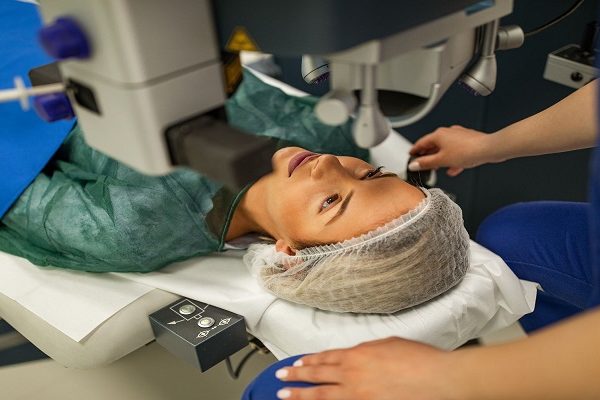
For those looking to correct refractive errors such as nearsightedness, farsightedness, and astigmatism, Blue Fin Vision offers advanced laser eye surgery options. Their expertise in LASIK, PRK, LASEK, and SMILE surgeries means they can offer a solution suited to each patient’s needs. Whether you have a thin cornea or are seeking the fastest recovery time, Blue Fin Vision ensures you have access to the most suitable laser surgery option. By utilising the latest technologies, the clinic ensures precise and effective treatment with minimal discomfort and rapid recovery. Learn more about pre cataract surgery tips.

Lens Replacement Surgery and Implantable Collamer Lenses

Not everyone is a candidate for laser surgery, but Blue Fin Vision provides alternatives. Lens replacement surgery, also known as Refractive Lens Exchange (RLE), is an excellent choice for those over 50 who wish to reduce their dependence on glasses or contact lenses, or even prevent cataracts from developing in the future. This procedure involves replacing the natural lens with an artificial intraocular lens (IOL) designed to correct a range of vision problems.

For patients who are not suited to traditional laser treatments, implantable collamer lens (ICL) surgery offers a minimally invasive solution. This procedure places a biocompatible lens between the iris and the natural lens, providing effective vision correction without the need for corneal tissue removal. It’s an ideal choice for people with high prescriptions or thin corneas.

Conjunctival Naevus Removal

Blue Fin Vision is also known for its expertise in the removal of conjunctival naevi—benign pigmented lesions on the eye’s surface. Using advanced methods like Argon Laser Thermocoagulation, they can treat these lesions with minimal disruption to the surrounding tissue, providing excellent cosmetic outcomes. If surgical excision is required, the clinic ensures precise removal with minimal risk of recurrence, making it a trusted option for this procedure.

Comprehensive General Ophthalmology Services

Blue Fin Vision offers a full range of general ophthalmology services, including the treatment and management of common conditions such as glaucoma, retinal disorders, and corneal diseases. Their advanced diagnostic tools, such as OCT scans and retinal imaging, allow for early detection of potential issues, ensuring that any concerns are addressed promptly. For conditions like glaucoma, Blue Fin Vision offers selective laser trabeculoplasty (SLT) and YAG laser iridotomy, providing effective treatments to preserve vision.

Paediatric Ophthalmology and Emergency Eye Care

In addition to adult treatments, Blue Fin Vision caters to younger patients with services like amblyopia (lazy eye) therapy and strabismus (crossed eyes) surgery. Their paediatric ophthalmology services aim to address vision problems early, ensuring that children have the best chance for clear, healthy vision.

The clinic also provides emergency eye care for acute conditions like eye trauma, retinal detachment, and acute glaucoma attacks. Their swift response ensures that patients receive immediate treatment, preventing permanent damage and preserving vision.

Exceptional Patient Care and Convenience

Blue Fin Vision is committed to providing a seamless experience from consultation through aftercare. Their patient-centric approach ensures that each patient is thoroughly informed about their treatment options and involved in the decision-making process. The clinic offers convenient locations in central London, making it easily accessible for patients across the UK.

With a focus on quality care, advanced technologies, and a comprehensive range of services, Blue Fin Vision has earned a reputation as one of the leading providers of eye care in the UK. Whether you are seeking cataract surgery, laser eye surgery, or more specialized treatments, the clinic’s expertise and commitment to excellence make them a trusted choice for your eye health.

By choosing Blue Fin Vision Eye Clinic, you gain access to a highly skilled team of ophthalmologists, state-of-the-art technology, and personalized care. The clinic’s comprehensive approach ensures that all aspects of your vision care are addressed, making it a reliable choice for those seeking optimal eye health.

If you’re tired of glasses and contact lenses, laser eye surgery could be a life-changing decision. As someone with extensive experience in the field, I understand how daunting the choice can be. There are many clinics and surgeons in London, but only a few meet the high standards you should expect. I’ve researched top eye clinics in the city, looking into their services, reputation, and patient outcomes to provide you with reliable recommendations.

Laser eye surgery, specifically in London, offers solutions for a range of vision issues like astigmatism, short-sightedness, and long-sightedness. The results can give you freedom from daily reliance on corrective lenses. Based on my research, one of the main factors you should focus on when choosing a clinic is their technology and patient care. A clinic that consistently delivers exceptional outcomes is the right choice, and that’s exactly what I aim to highlight.

Why Choose Advanced Eye Care Options?

London is home to some of the most advanced eye care services in the UK, and laser eye surgery is at the forefront of these offerings. One of the key considerations when selecting a clinic should be their approach to patient care. Personalized care, along with state-of-the-art equipment, ensures that your vision is treated with precision and accuracy.

In this context, I recommend exploring why your eyesight may be worsening, especially if you’re based in London. The clinic you’re considering should have detailed resources to help you understand your condition, such as the article on Why is My Eyesight Getting Worse in London, which explains common factors contributing to vision decline. Being informed about these factors allows you to make better choices about your eye care.

Laser Eye Surgery

Importance of Expert Ophthalmologists

The expertise of the surgeon performing your laser eye surgery is crucial to the success of the procedure. Surgeons with a high level of experience in procedures like LASIK or SMILE can provide better outcomes and fewer complications. Additionally, the clinic should be transparent about their success rates and qualifications. This transparency gives you peace of mind and the confidence that you’re in safe hands.

In your search for the best option, it’s essential to consider a clinic that prioritizes patient safety, cutting-edge technology, and a strong post-operative care program. Having an experienced ophthalmologist ensures that you’re getting the most accurate treatment tailored to your specific vision needs.

Procedures Tailored to Your Needs

Not all laser eye surgery is the same, and that’s why it’s important to work with a clinic that can offer you options. Depending on your specific vision issues, you might be a candidate for LASIK, SMILE, or other specialized procedures. Each treatment comes with its own set of advantages, and discussing these in detail with your consultant is vital.

London’s top clinics offer consultations to determine which surgery is right for you. They can even assist in correcting astigmatism, which can often be more complex than treating simple myopia or hyperopia. This makes personalized care even more critical.

Why Post-Surgery Care Matters

One aspect of laser eye surgery that’s often overlooked is the importance of aftercare. After the procedure, your eyes need time to heal and adjust to their new focus. A clinic that provides comprehensive post-operative care ensures that any minor complications are managed before they escalate. Clinics with strong follow-up protocols help patients maintain their results long after surgery.

In addition to aftercare, the clinic should offer you guidance on how to maintain your vision health. This includes understanding what you can expect during the recovery period and how to care for your eyes after the procedure. Having this support is key to a successful and smooth recovery.

Making the Right Choice

Choosing a clinic in London for your laser eye surgery is a major decision that shouldn’t be taken lightly. While many options are available, only a few stand out for their quality, precision, and commitment to patient care. Look for clinics that have a proven track record of success, offer a wide range of treatment options, and prioritize your health and well-being every step of the way.

The clinic you choose should be one that consistently delivers excellent results and puts your vision care first.

A hillside hostel offers the perfect backdrop for outdoor enthusiasts and nature lovers to indulge in their passions. With its unique location and natural surroundings, guests can enjoy various activities that bring them closer to nature. A hostel perched on a hillside, away from the bright lights, provides an ideal setting for stargazing. The clear, unpolluted skies offer a breath-taking night sky view, allowing guests to witness celestial wonders often hidden in urban areas.

Best times for stargazing

The most of your stargazing experience, plan your observation sessions during the darkest hours of the night, typically between midnight and dawn. Clear, moonless nights offer the best visibility, allowing you to see fainter stars and celestial objects.

Equipment for stargazing

While the naked eye can reveal much of the night sky’s beauty, bringing along some essential equipment enhances your stargazing experience. A pair of binoculars or a small telescope helps you observe planets, star clusters, and even distant galaxies in greater detail.

Best times for stargazing

Exploring nature through walks and hikes

The natural surroundings of a hillside hostel provide ample opportunities for guests to explore the local flora and fauna through nature walks and hikes. These activities allow visitors to immerse themselves in the beauty of the landscape and discover the area’s diverse ecosystem.

Guided nature walks

Many hostels offer guided nature walks led by knowledgeable staff or local experts. These walks give insights into the local plant and animal species, geological features, and the area’s history. Guides can point out interesting sights you might otherwise miss and share information about the ecosystem’s delicate balance.

Self-guided hiking trails

Hillside hostels often have access to a network of self-guided hiking trails for those who prefer to explore at their own pace. These trails vary in difficulty, from easy walks for beginners to challenging hikes for experienced trekkers. Maps and trail information are usually available at the hostel reception.

Best times for nature walks

Early morning and late afternoon are often the best times for nature walks. During these hours, the temperature is usually more comfortable, and wildlife tends to be more active. However, each time of day offers a unique perspective on the natural surroundings, so don’t hesitate to explore at different hours.

Ensure you’re adequately prepared

Wear comfortable, sturdy shoes and dress in layers to accommodate changing weather conditions.

  • Bring plenty of water, sunscreen, and insect repellent.
  • A camera or binoculars can enhance your experience, allowing you to capture memories or get a closer look at wildlife.
  • Combining stargazing and nature walks

For an unforgettable experience, consider combining stargazing with a night nature walk. Many nocturnal animals are active after dark, offering a unique opportunity to observe wildlife you might not see during the day. Just bring a flashlight or headlamp and stay on designated trails for safety.

Respecting the environment

While enjoying these activities, it’s crucial to respect the natural environment. Follow the “Leave No Trace” principles by staying on marked trails, not disturbing wildlife, and packing out trash. This helps preserve the area’s beauty for future visitors and protects the delicate ecosystem.

Before booking your stay, you read review from previous guests to understand their experiences with these activities. Many travellers share their stargazing and hiking experiences in their reviews. You set realistic expectations and plan your trip accordingly.

Achieving the ideal body shape often requires more than just diet and exercise. Body sculpting, an increasingly popular cosmetic procedure, offers a way to contour and refine your physique, enhancing your natural beauty. This article delves into the various body sculpting techniques available, including advanced treatments from trusted providers like Clinique Anti Aging.

Understanding Body Sculpting

Body sculpting encompasses a variety of procedures designed to reshape and refine the body. These techniques target areas resistant to diet and exercise, helping to reduce fat, tighten skin, and enhance muscle definition.

Popular Body Sculpting Techniques

Several techniques are widely used in body sculpting, each offering unique benefits:

  • Liposuction: A surgical procedure that removes fat deposits from specific areas of the body.
  • CoolSculpting: A non-invasive treatment that uses controlled cooling to freeze and eliminate fat cells.
  • Radiofrequency Therapy: Uses energy waves to heat the skin and stimulate collagen production, tightening and contouring the body.
  • Ultrasound Cavitation: Breaks down fat cells using ultrasonic waves, which are then naturally eliminated by the body.

Non-Invasive Body Sculpting Options

Non-invasive body sculpting treatments are becoming increasingly popular due to their minimal downtime and effective results. Some notable options include:

  • CoolSculpting: Targets fat cells with cryolipolysis, a process that freezes and destroys fat cells.
  • TruSculpt: Uses radiofrequency technology to target and reduce fat, while also tightening the skin.
  • Emsculpt: Focuses on muscle building and fat reduction through high-intensity focused electromagnetic energy.

Advanced Body Sculpting at Clinique Anti Aging

For those seeking cutting-edge solutions, Clinique Anti Aging body sculpting offers an array of advanced treatments. Their TruBody and TruSculpt Flex treatments utilize innovative technologies to target fat, tone muscles, and enhance body contours effectively.

Benefits of Body Sculpting

Body sculpting offers numerous benefits, including:

  • Targeted Fat Reduction: Focuses on specific areas that are resistant to diet and exercise.
  • Improved Body Contours: Enhances the natural shape and definition of the body.
  • Boosted Confidence: Helps individuals feel more confident in their appearance.
  • Minimal Downtime: Many non-invasive treatments require little to no recovery time.

Preparing for a Body Sculpting Procedure

Before undergoing a body sculpting procedure, it’s essential to prepare adequately:

  1. Consultation: Schedule a consultation with a qualified practitioner to discuss your goals and determine the best treatment plan.
  2. Medical History: Provide a comprehensive medical history to ensure you’re a suitable candidate for the procedure.
  3. Healthy Lifestyle: Maintain a healthy diet and exercise routine to optimize results.
  4. Follow Pre-Treatment Instructions: Adhere to any pre-treatment guidelines provided by your practitioner.

What to Expect During and After Treatment

Understanding the treatment process can help set realistic expectations:

  • During Treatment: Non-invasive procedures typically involve minimal discomfort and can be completed in a short time.
  • Post-Treatment Care: Follow post-treatment care instructions, which may include avoiding strenuous activities and staying hydrated.
  • Results: Results can vary, with some treatments showing immediate effects and others taking a few weeks to become noticeable.

Combining Body Sculpting with Other Treatments

Combining body sculpting with other aesthetic treatments can enhance overall results. Popular combinations include:

  • Skin Tightening: Using radiofrequency or ultrasound to tighten loose skin.
  • Cellulite Reduction: Treatments like cellulite massages or laser therapy to smooth the skin’s appearance.
  • Muscle Toning: Procedures like Emsculpt to build muscle and reduce fat simultaneously.

Conclusion

Body sculpting offers a transformative approach to achieving your desired physique. By understanding the various techniques and options available, including advanced treatments from Clinique Anti Aging, you can make informed decisions about your body contouring journey. Embrace the art of sculpting and transform your body with confidence, enhancing your natural beauty and boosting your self-esteem.


People living in Florida have always been pretty conscious about oral health and facial aesthetics, which is why dental implants Panama City Beach are gaining immense popularity, as they provide aesthetic improvements along with better oral health.

Implants are more of a long-lasting solution, unlike bridges and traditional dentures, and mimic the look and function of a natural tooth pretty well. Now, let us have a look at how dental implants improve oral health.

Preventing Bone Loss

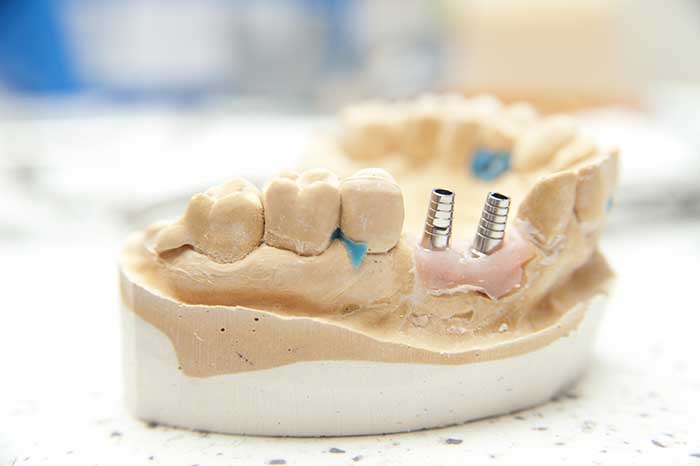
Arguably, the most critical benefit of dental implants is to prevent bone loss. When a tooth is lost, the jawbone in that region starts to deteriorate because of no stimulation. Dental implants are inserted surgically in the jawbone and act like roots of a natural tooth.

Through osseointegration, the fusion happens, and much necessary stimulation is provided, which maintains bone volume and density, preventing the sunken appearance of bone loss and keeping the facial structure intact.

Maintaining the Alignment of Adjacent Teeth

When a tooth goes missing, the adjacent teeth gradually start shifting toward the gap, which results in misalignment. The misalignment causes numerous problems along with increasing potential for the development of gum disease and cavities. 

Dental implants fill the gap created by a missing tooth, which makes sure the adjacent teeth remain aligned, which helps in preventing numerous dental problems associated with misalignment.

Improving Chewing and Digestion

Missing teeth pretty significantly affects a person’s chewing ability, which in turn affects digestion. Dental implants restore the chewing ability, which allows you to eat a variety of foods without causing any discomfort. Proper chewing is the first step in the process of digestion, and implants make sure the digestion remains as good as ever.

Enhancing Oral Hygiene

Dental implants make oral hygiene relatively simple as compared to dentures and bridges that need adjacent teeth alteration and removal for cleaning, respectively. Dental implants can be quickly taken care of, pretty much like natural teeth, through brushing, flossing, and regular check-ups.

The routine is pretty straightforward and helps to reduce the risk of problems like gum disease and others associated with more complex needs of its alternatives.

Reducing the Risk of Gum Disease

Gaps created because of missing teeth trap bacteria and food particles that potentially result in gum disease or increase the risk significantly. Dental implants cover such gaps, which give a smooth surface, making it much easier to clean through a regular dental care routine and maintaining gum line integrity along with minimizing pockets where bacteria usually gather, resulting in infections.

Role of Dentist in Ensuring Effectiveness!

A dentist’s intervention is pretty essential to make sure dental implants serve as intended. It is recommended that you keep going to a dentist for dental check-ups on a regular basis.