
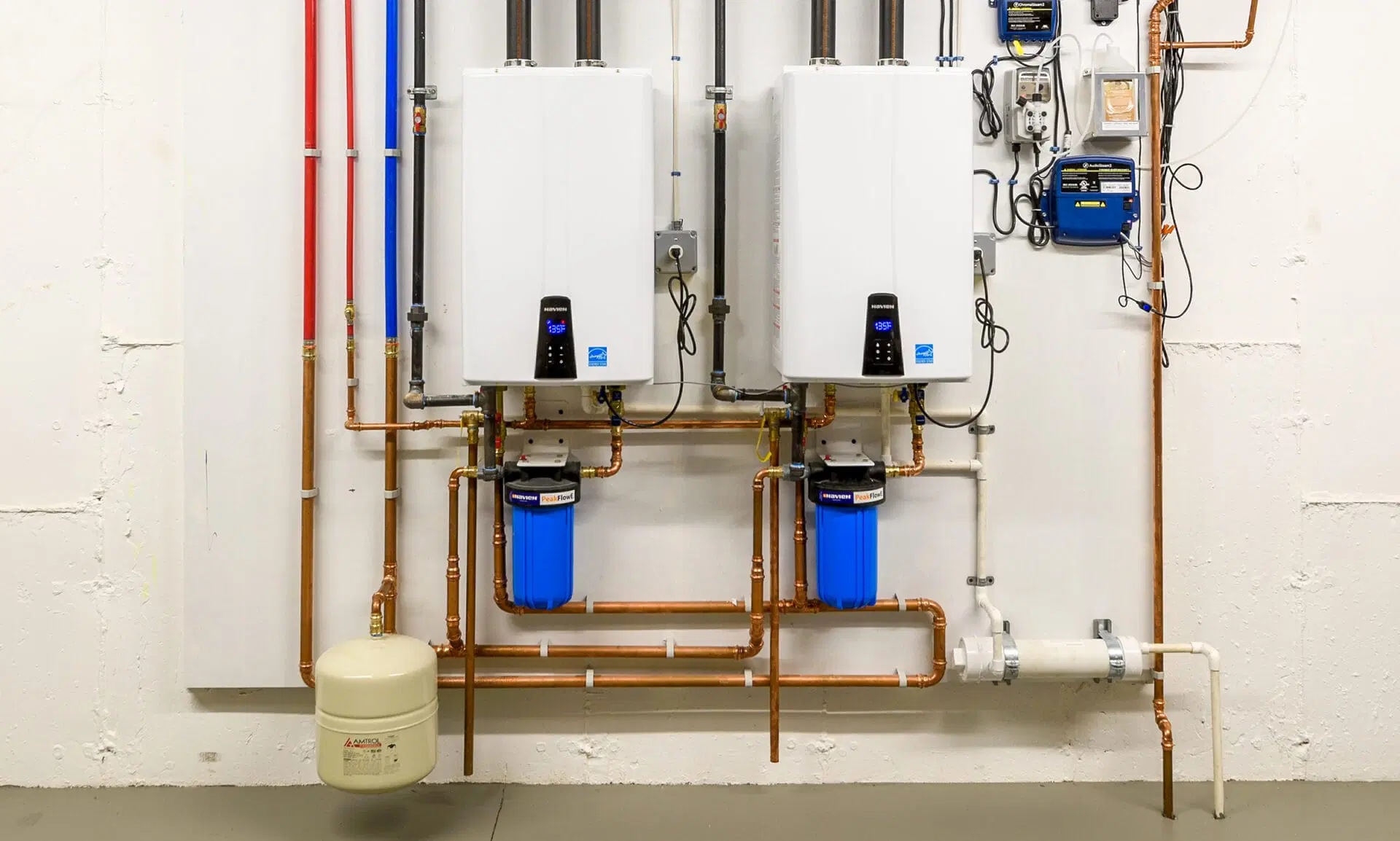
Upgrading to a tankless water heater will be exciting. It offers never-ending hot water and reduced energy expenses. The system is cleaner and smaller, which makes it appealing to many homeowners. However, you need to ensure that your home is ready for the installation.
Tankless models are not like the traditional hot water tanks. Ignoring this aspect may cause unnecessary expenses or even a system that fails to work as you expected. You can easily find out whether you are ready to upgrade your home with this simple checklist.
Do you have adequate gas or electric capacity?
Tankless water heaters require more power supply. However, only when they are being used. That means you may need:
- An increased-capacity gas line if you have installed a gas tankless unit.
- A modernized electric panel for an electric unit.
Many older homes do not meet these needs. But you can call a professional technician to inspect your system. They will know whether the setup you are currently using is adequate. If not, you might require an upgrade before a tankless water heater installation.
Is proper venting available?
Tankless gas water heaters must have safe, dedicated venting to eliminate exhaust. They may require:
- Stainless steel venting
- Venting directly to the outside
- Additional roof or wall access.
What if your house does not have the required venting path? It may require adjustments before installation.
How is your electrical system design?
Even gas tankless models need electricity. It is necessary to operate their sensors and ignition systems. Installing a tankless unit may require electrical upgrades if your home has:
- An older panel
- Outdated wiring
- Limited breaker capacity.
This will make sure that your new system is safe and reliable.
Do you have hard water?
Hard water can reduce the lifespan of tankless systems. It deposits mineral deposits within the heat exchanger. If you notice:
- Scale around faucets
- White residue on sinks or tubs
- Wear and tear on appliances.
…you probably have hard water.
You do not have to skip a tankless heater. You can just install a water softener or descaling system to save your investment.
Is there not enough space (or too much)?
Tankless heaters are small. They may be mounted on a wall or a utility closet. Some people mount them outside in some climates.
Before installation, remember this:
- Clearance requirements
- Access for maintenance
- Venting routes.
They occupy relatively small areas but require safe areas of installation.
Does your plumbing set-up support it?
Tankless systems heat the water on demand. They are most efficient when the plumbing system is designed to deliver water efficiently. Extensive pipe runs can delay hot water supply to some fixtures. A plumber can determine whether a recirculation pump or minor plumbing changes can assist.
Summing up
A tankless water heater is an excellent installation, but only to a house that is properly equipped to handle it. Checking the above things will ensure that you know exactly what you are getting into and whether you need any upgrades prior to the installation. With a bit of planning, you will have unlimited hot water, increased efficiency, and one of the modern systems designed to last.


Comments are closed.