
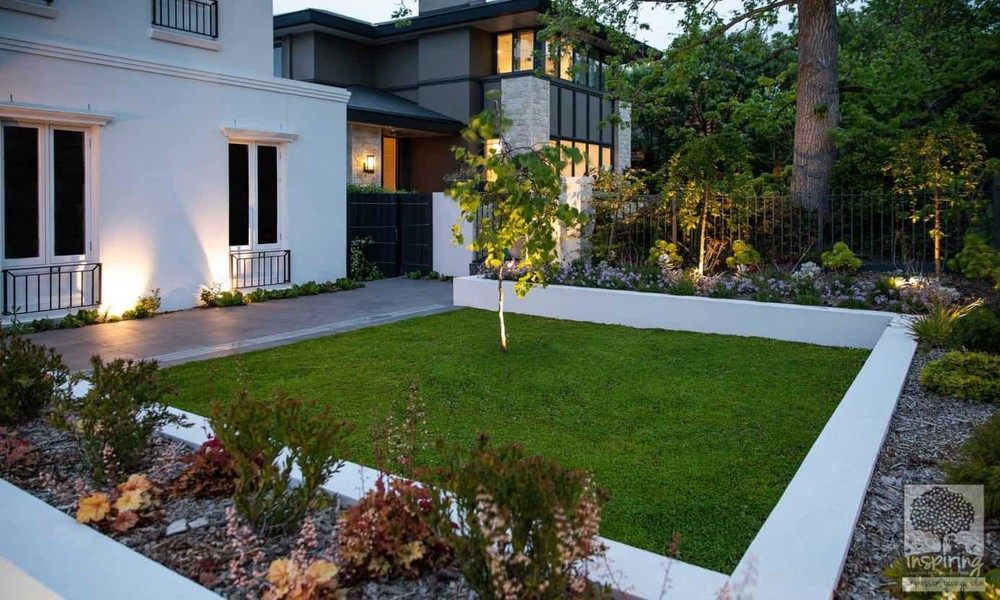
Imagine stepping into your backyard and being transported to a tranquil oasis. Birds are singing, colourful flowers are blooming, and the gentle sound of water trickling creates a sense of calm. This isn’t just a dream; it’s the reality that professional landscaping Melbourne can bring to your home. Your outdoor space has the potential to become a beautiful extension of your living area, a place where you can relax, entertain, and connect with nature.
More than just mowing the lawn, a well-designed landscape adds significant value to your property and improves your quality of life. It’s about creating a functional and aesthetically pleasing environment that reflects your personal style and meets your unique needs. Whether you envision a vibrant garden, a sleek modern outdoor area, or a family-friendly space for kids to play, the possibilities are endless. Let’s explore how professional landscaping can transform your property and enhance your lifestyle.
The Benefits of Professional Landscaping
Investing in professional landscaping offers a multitude of benefits that extend far beyond just visual appeal. From increasing your property value to creating a healthier environment, the advantages are substantial and long-lasting. Here are just a few reasons why you should consider hiring a landscaping expert:
- Increased Property Value: A well-maintained and thoughtfully designed landscape significantly increases the value of your home, making it a worthwhile investment.
- Enhanced Curb Appeal: First impressions matter. A beautiful landscape creates a positive first impression and makes your home more attractive to potential buyers.
- Improved Outdoor Living Space: Landscaping transforms your backyard into a functional and enjoyable living space for relaxation, entertainment, and family gatherings.
- Reduced Energy Costs: Strategically placed trees and shrubs can provide shade, reducing your cooling costs in the summer and protecting your home from harsh winds in the winter.
- Environmental Benefits: Landscaping contributes to a healthier environment by absorbing carbon dioxide, releasing oxygen, and providing habitats for wildlife.
Creating a Sustainable Landscape
Beyond the immediate benefits, consider the long-term impact of your landscaping choices. Sustainable landscaping practices focus on creating environmentally friendly and resource-efficient outdoor spaces. This includes using native plants, conserving water, and minimizing the use of pesticides and fertilizers. What are some practical ways to implement sustainable landscaping in your own garden?
One of the key aspects of sustainable landscaping is selecting native plants that are well-suited to the local climate and soil conditions. Native plants require less water, fertilizer, and maintenance than non-native species, reducing your environmental impact and saving you time and money. Furthermore, consider implementing water-wise irrigation techniques, such as drip irrigation or rainwater harvesting, to conserve water and reduce your water bill. By making conscious choices, you can create a beautiful and sustainable landscape that benefits both your property and the environment.
Planning Your Landscape Design
Before you start digging, it’s essential to have a well-thought-out plan for your landscape design. This involves considering your needs, preferences, and budget, as well as the existing conditions of your property. A professional landscape design can help you create a cohesive and functional outdoor space that meets your specific requirements.
The first step is to assess your property and identify any existing features that you want to incorporate into your design. This might include mature trees, existing pathways, or outdoor structures. Next, consider how you want to use your outdoor space. Do you want a relaxing retreat, an entertaining area, or a family-friendly play area? Once you have a clear idea of your needs and preferences, you can start developing a design that reflects your vision.
Working with a Landscape Designer
While it’s possible to design your own landscape, working with a professional landscape designer offers numerous advantages. A designer can provide expert advice, create detailed plans, and oversee the entire project from start to finish. They can also help you navigate council regulations and ensure that your landscape design meets all necessary requirements. What are some key considerations when choosing a landscape designer?
When selecting a landscape designer, it’s important to look for someone with experience, creativity, and a strong understanding of local conditions. Ask to see examples of their previous work and read reviews from past clients. A good landscape designer will listen to your ideas, offer innovative solutions, and work collaboratively with you to create a landscape that exceeds your expectations. They can also provide valuable insights into plant selection, material choices, and construction techniques.
Essential Elements of a Successful Landscape Design
A successful landscape design incorporates a variety of elements to create a harmonious and functional outdoor space. These elements include:
- Hardscaping: Patios, pathways, retaining walls, and other non-plant features that provide structure and functionality.
- Softscaping: Plants, trees, shrubs, and groundcovers that add colour, texture, and visual interest.
- Water Features: Ponds, fountains, and waterfalls that create a soothing and tranquil atmosphere.
- Lighting: Outdoor lighting that enhances safety, security, and ambiance.
- Irrigation: Efficient irrigation systems that ensure your plants receive the water they need to thrive.
Choosing the Right Plants for Your Melbourne Garden
Selecting the right plants is crucial for creating a thriving and visually appealing garden. Melbourne’s climate can be challenging, with hot summers and cool winters, so it’s important to choose plants that are well-suited to the local conditions. Native plants are often the best choice, as they are adapted to the climate and require less maintenance. What are some popular native plants that thrive in Melbourne gardens?
Some excellent choices for Melbourne gardens include kangaroo paw, wattle, grevillea, and banksia. These plants are not only beautiful but also attract native birds and insects, creating a vibrant and biodiverse ecosystem in your backyard. Consider also incorporating drought-tolerant plants, such as succulents and grasses, to conserve water and reduce your environmental impact. By carefully selecting the right plants, you can create a stunning garden that thrives year-round.
Creating a Colourful and Textured Garden
A well-designed garden should have a variety of colours, textures, and heights to create visual interest. Use a mix of flowering plants, foliage plants, and ornamental grasses to add depth and dimension to your landscape. Consider the bloom times of different plants to ensure that you have colour throughout the year. How can you create a garden that is both visually appealing and low-maintenance?
One way to achieve this is to group plants with similar needs together. This makes it easier to water and fertilize them effectively. Also, consider using mulch to suppress weeds, retain moisture, and improve soil health. By incorporating these simple techniques, you can create a beautiful and low-maintenance garden that enhances your outdoor living space.
Maintaining Your Landscape
Once your landscape is complete, it’s important to maintain it properly to ensure that it continues to thrive. Regular maintenance includes watering, fertilizing, pruning, and weeding. The specific maintenance requirements will vary depending on the types of plants you have and the overall design of your landscape. What are some essential maintenance tasks that you should perform regularly?
Regular watering is essential, especially during dry periods. However, it’s important to avoid overwatering, as this can lead to root rot and other problems. Fertilize your plants regularly to provide them with the nutrients they need to grow and thrive. Prune your shrubs and trees to maintain their shape and encourage healthy growth. Finally, weed your garden regularly to prevent weeds from competing with your plants for resources. By following these simple maintenance tips, you can keep your landscape looking its best for years to come.
Seasonal Landscape Maintenance
Landscape maintenance needs change with the seasons. In the spring, focus on fertilizing and pruning your plants to prepare them for the growing season. In the summer, water your plants regularly and protect them from the heat. In the autumn, clean up fallen leaves and prepare your garden for winter. In the winter, protect your plants from frost and prune dormant trees and shrubs. How can you adapt your landscape maintenance routine to the changing seasons?
One way is to create a seasonal checklist of tasks to perform. This will help you stay organized and ensure that you don’t forget any important maintenance tasks. Also, consider using seasonal mulches to protect your plants from extreme temperatures and retain moisture. By adapting your landscape maintenance routine to the changing seasons, you can keep your garden healthy and beautiful year-round.
Landscaping: More Than Just a Pretty Garden
Ultimately, professional landscaping services in Melbourne are about more than just creating a pretty garden. It’s about creating a lifestyle, enhancing your property value, and contributing to a healthier environment. By investing in a well-designed and maintained landscape, you can transform your outdoor space into a valuable asset that you and your family will enjoy for years to come.
So, take a look at your backyard. What do you see? What do you envision? With the right planning, design, and maintenance, you can turn your landscaping dreams into a reality. Embrace the opportunity to create a stunning garden that elevates your lifestyle and enhances your connection with nature. It’s an investment that pays dividends in beauty, value, and well-being.
Frequently Asked Questions
How much does landscaping cost?
The cost of landscaping can vary widely depending on the size and complexity of the project. Factors that influence the cost include the size of your property, the types of plants you choose, the amount of hardscaping involved, and the labour costs. It’s best to get a quote from a landscaping professional to get an accurate estimate for your specific project.
How long does landscaping take?
The duration of a landscaping project depends on the scope of the work. A small garden makeover might take a few days, while a larger project involving extensive hardscaping and planting could take several weeks or even months. Your landscape designer can provide you with a timeline for your project based on your specific requirements.
What is the best time of year to landscape?
The best time of year to landscape in Melbourne is typically in the autumn or spring. The weather is milder during these seasons, which is ideal for planting and establishing new plants. However, some landscaping tasks, such as hardscaping, can be done year-round.
How do I choose the right plants for my garden?
When choosing plants for your garden, consider your local climate, soil conditions, and the amount of sunlight your garden receives. Native plants are often the best choice, as they are adapted to the local environment and require less maintenance. Consult with a landscaping professional or visit your local nursery for advice on selecting the right plants for your garden.
How do I maintain my landscape?
Regular landscape maintenance includes watering, fertilizing, pruning, and weeding. The specific maintenance requirements will vary depending on the types of plants you have and the overall design of your landscape. Create a seasonal maintenance checklist to help you stay organized and ensure that you don’t forget any important tasks.

Comments are closed.