
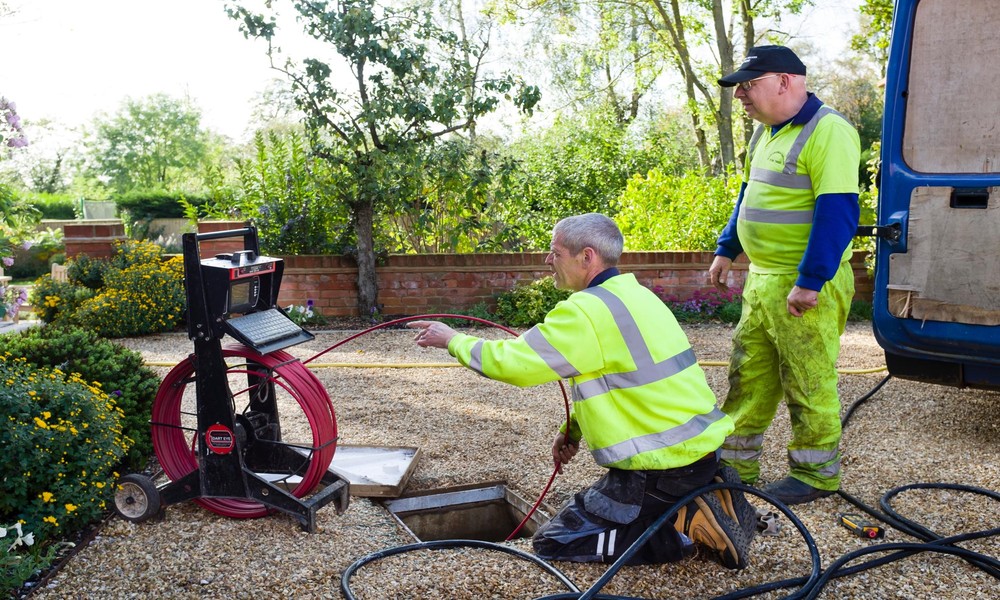
Dealing with a blocked drain can be a real headache. The gurgling sounds, the unpleasant smells, and the potential for water damage can quickly turn a minor inconvenience into a major problem. Finding reliable plumbers to deal with these issues efficiently and effectively is crucial for any homeowner or business owner. This guide will walk you through everything you need to know about getting professional help with blocked drains in Perth, from identifying the signs to choosing the right plumber.
Whether it’s a simple blockage in your kitchen sink or a more complex issue with your sewer line, understanding the causes and solutions can save you time, money, and unnecessary stress. Let’s dive into the world of drains and explore how to keep them flowing freely.
Understanding blocked drains
Before you start searching for a plumber, it’s helpful to understand what causes drains to block in the first place. Identifying the root cause can prevent future occurrences and help you communicate the problem more effectively to your chosen professional.
Common causes of blocked drains
Several factors can contribute to blocked drains, both inside and outside your home. Here are some of the most common culprits:
- Hair: A major offender, especially in shower and bathroom sinks. Hair clumps together and traps other debris.
- Grease and oil: Pouring fats down the drain solidifies over time, clinging to pipe walls and causing blockages.
- Food scraps: Even small particles can accumulate and create stubborn blockages, particularly in kitchen sinks.
- Foreign objects: Items like cotton buds, wet wipes, and sanitary products should never be flushed down the toilet.
- Tree roots: These sneaky invaders can infiltrate underground pipes, causing significant blockages and damage.
- Collapsed or damaged pipes: Aging or shifting pipes can crack or collapse, leading to blockages and leaks.
Recognising the signs of a blocked drain
Early detection is key to preventing minor blockages from turning into major plumbing emergencies. Keep an eye out for these telltale signs:
- Slow draining: Water takes longer than usual to drain from sinks, showers, or toilets.
- Gurgling sounds: Strange noises coming from your drains are often a sign of trapped air due to a blockage.
- Unpleasant odours: Foul smells emanating from your drains indicate decomposing organic matter.
- Water backups: Water pooling around drains or toilets is a clear indication of a severe blockage.
- Increased water pressure: A sudden drop in water pressure could indicate a blockage further down the line.
If you notice any of these signs, it’s time to take action and investigate the issue further. Ignoring these warning signs can lead to more significant and costly repairs down the track.
DIY solutions vs professional help
When faced with a blocked drain, many people are tempted to try DIY solutions before calling a plumber. While some minor blockages can be resolved with simple methods, it’s important to know when to call in the experts.
When DIY might work
For minor blockages caused by hair or food scraps, these DIY methods might be effective:
- Plunger: A good old-fashioned plunger can often dislodge simple blockages in sinks, toilets, and showers.
- Baking soda and vinegar: Pour a cup of baking soda followed by a cup of vinegar down the drain, let it fizz for 30 minutes, then flush with hot water.
- Boiling water: Pouring boiling water down the drain can help dissolve grease and soap buildup.
- Drain snake: A simple drain snake can be used to manually remove hair and debris from shallow blockages.
However, be cautious when using chemical drain cleaners, as they can damage your pipes and pose a risk to your health and the environment.
When to call a professional plumber
If DIY methods fail to clear the blockage, or if you suspect a more serious problem, it’s time to call a professional plumber. Here are some situations where professional help is essential:
- Persistent blockages: If the blockage keeps recurring despite your best efforts, there’s likely an underlying issue.
- Multiple blocked drains: This could indicate a blockage in the main sewer line, which requires specialised equipment and expertise.
- Foul odours: Strong, persistent odours could indicate a sewer line problem or a build-up of harmful gases.
- Water damage: If the blockage has caused water damage to your property, it’s crucial to address the issue quickly and professionally.
- Suspected tree root intrusion: Tree roots can cause significant damage to pipes and require specialised removal techniques.
Attempting to fix complex plumbing problems yourself can often lead to further damage and higher repair costs in the long run. It’s always best to err on the side of caution and seek professional assistance when needed.
Finding reliable plumbers in perth
Choosing the right plumber is essential to ensure the job is done correctly and efficiently. With so many plumbing services available in Perth, it’s important to do your research and choose a reputable and experienced professional.
Key considerations when choosing a plumber
Here are some key factors to consider when selecting a plumber to tackle your blocked drain:
- Licensing and insurance: Ensure the plumber is licensed and insured to protect yourself from liability in case of accidents or damage.
- Experience and expertise: Look for a plumber with experience in dealing with blocked drains and a proven track record of success.
- Reputation and reviews: Check online reviews and ask for recommendations from friends and family to gauge the plumber’s reputation.
- Pricing and transparency: Get a clear and upfront quote for the job, including all potential costs and fees.
- Emergency services: Choose a plumber who offers 24/7 emergency services in case of urgent plumbing issues.
- Guarantees and warranties: Ask about guarantees and warranties on the plumber’s work and materials.
Utilising technology for drain inspections
Modern plumbing technology offers advanced solutions for diagnosing and resolving blocked drain issues. One such technology is commercial drain camera inspection. This involves using a specialised camera to visually inspect the inside of your pipes, identifying the exact location and cause of the blockage.
Benefits of drain camera inspections
Here are some key benefits of using drain camera inspections:
- Accurate diagnosis: Pinpoint the exact location and cause of the blockage, saving time and money on unnecessary excavation.
- Minimised disruption: Avoid digging up your yard or damaging your property with non-invasive inspection techniques.
- Cost-effective solutions: Identify the most efficient and cost-effective solution for clearing the blockage.
- Preventative maintenance: Detect potential problems early on, preventing future blockages and costly repairs.
- Detailed reports: Receive a comprehensive report with video footage and images of the inspection, providing valuable documentation for insurance claims.
Drain camera inspections are particularly useful for identifying tree root intrusion, collapsed pipes, and other hidden problems that are difficult to detect with traditional methods.
Preventing future blocked drains
Prevention is always better than cure when it comes to blocked drains. By adopting some simple habits and practices, you can significantly reduce the risk of future blockages and keep your drains flowing smoothly.
Simple habits to adopt
Here are some easy-to-implement habits that can help prevent blocked drains:
- Use drain strainers: Install drain strainers in your sinks and showers to catch hair, food scraps, and other debris.
- Dispose of grease properly: Never pour grease or oil down the drain. Instead, collect it in a container and dispose of it in the trash.
- Flush only toilet paper: Avoid flushing anything other than toilet paper down the toilet.
- Regularly flush drains with hot water: Periodically flush your drains with hot water to dissolve grease and soap buildup.
- Consider enzyme-based drain cleaners: Use enzyme-based drain cleaners regularly to break down organic matter and prevent blockages.
Regular maintenance tips
In addition to adopting good habits, regular maintenance can also help prevent blocked drains. Consider these tips:
- Schedule regular drain cleaning: Have your drains professionally cleaned every few years to remove accumulated debris and prevent blockages.
- Inspect your pipes: Periodically inspect your exposed pipes for signs of leaks, cracks, or damage.
- Trim tree roots: If you have trees near your sewer line, have their roots trimmed regularly to prevent intrusion.
- Address plumbing issues promptly: Don’t ignore minor plumbing problems. Address them promptly to prevent them from escalating into major issues.
By taking proactive steps to prevent blocked drains, you can save yourself time, money, and unnecessary stress in the long run. A little bit of prevention can go a long way in keeping your plumbing system in good working order.
Dealing with professional blocked drains does not have to be a nightmare. By understanding the causes, recognizing the signs, and knowing when to call in the professionals, you can tackle these issues effectively and keep your plumbing system flowing smoothly. Remember to choose a reliable plumber with experience and the right tools for the job, and adopt preventative measures to avoid future blockages. With a little knowledge and proactive care, you can keep your drains clear and your plumbing system healthy.
Frequently asked questions
How much does it cost to unblock a drain in Perth?
The cost of unblocking a drain can vary depending on the severity of the blockage, the location, and the plumber’s rates. Simple blockages may cost around $100-$200, while more complex issues requiring specialised equipment or extensive repairs could cost several hundred dollars or more. Always get a clear quote upfront before proceeding with any work.
How do I know if my blocked drain is serious?
Signs of a serious blocked drain include multiple blocked drains, foul odours, water backups, and persistent blockages that DIY methods fail to clear. If you experience any of these issues, it’s best to call a professional plumber for assistance.
Can I use chemical drain cleaners to unblock my drain?
While chemical drain cleaners can be effective for dissolving some blockages, they can also damage your pipes and pose a risk to your health and the environment. It’s generally best to avoid using them, or to use them sparingly and with caution. Enzyme-based drain cleaners are a safer and more environmentally friendly alternative.
How can I prevent tree roots from blocking my drains?
To prevent tree roots from blocking your drains, consider planting trees away from your sewer line, having tree roots trimmed regularly, and using root barriers to prevent roots from growing towards your pipes.
How often should I have my drains professionally cleaned?
The frequency of professional drain cleaning depends on factors such as the age of your pipes, the type of waste you typically dispose of, and the presence of trees near your sewer line. As a general rule, it’s a good idea to have your drains professionally cleaned every few years to prevent blockages and maintain optimal flow.

Comments are closed.