
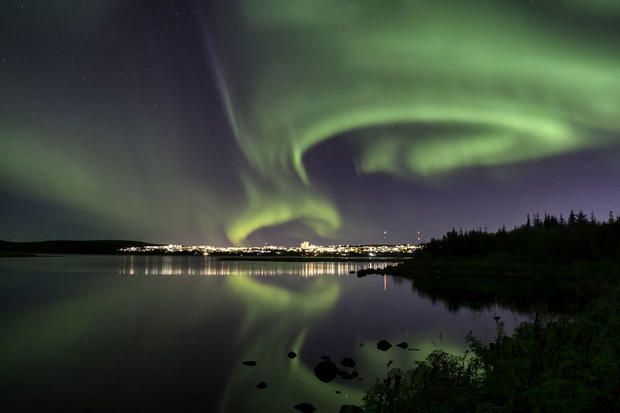
Few natural phenomena inspire as much wonder as the Northern Lights. Known scientifically as the aurora borealis, these shimmering displays of color across the night sky have captivated travelers and cultures for centuries. Experiencing the Northern Lights is about more than simply arriving in the right region; it requires timing, patience, and an appreciation for the subtle interplay between nature and environment. For those seeking an unforgettable adventure, witnessing this celestial spectacle can become the highlight of a voyage.
The Northern Lights occur when charged particles from the sun collide with Earth’s atmosphere, producing dancing streaks of green, pink, purple, and even red across the night sky. The intensity and colors vary, making each sighting unique. This natural light show is most visible in regions near the Arctic Circle, including parts of Alaska, Norway, Sweden, Finland, Iceland, and Canada. While there are opportunities to see the aurora from land, certain cruise itineraries, particularly an Alaskan cruise, offer a distinct advantage by providing access to remote waters away from city lights. This enhances visibility and allows travelers to witness the aurora in more pristine settings.
Timing is a crucial factor when planning a Northern Lights experience. The phenomenon is most commonly observed during the winter months, from late September to early April, when nights are longest and skies are darkest. Clear, cloudless conditions also improve visibility. Travelers should plan their journey with some flexibility, as aurora displays can be unpredictable. Many seasoned explorers suggest allowing multiple nights in prime viewing regions, increasing the likelihood of a spectacular show. Patience and persistence are often rewarded with moments of vivid color and breathtaking movement across the sky.
Choosing the right location is equally important. In Alaska, areas such as Fairbanks or remote coastal waters provide excellent opportunities to see the lights. A cruise along Alaska’s northern or inland routes offers the advantage of moving through regions with minimal light pollution while also enjoying the comfort of onboard accommodations. In Scandinavia, towns like Tromsø, Abisko, and Kiruna provide access to wide open skies and snowy landscapes, which reflect the aurora’s glow beautifully. In Iceland, travelers can combine aurora viewing with geothermal features, waterfalls, and dramatic volcanic landscapes for a visually rich experience.
While the Northern Lights themselves are the main attraction, the surrounding environment enhances the experience. Snow-covered forests, frozen lakes, and icy fjords serve as a natural stage for the aurora, making photographs and memories all the more striking. Some travelers choose to combine their aurora-viewing adventure with other outdoor activities, such as dog sledding, snowshoeing, or wildlife excursions. These experiences not only add to the sense of adventure but also allow participants to connect more deeply with the landscapes that make the aurora visible.
To maximize the experience, it is helpful to consider the practical aspects of viewing the Northern Lights. Dressing warmly is essential, as temperatures can drop significantly at night. Layers, insulated jackets, gloves, and hats help ensure comfort while standing outdoors for extended periods. Many travelers find that bringing a thermos with a hot beverage or a portable chair adds to the enjoyment. Photographers should also be prepared with tripods and cameras capable of long exposures, as these tools capture the aurora’s subtle movements more effectively than smartphones alone.
Cruises provide a unique advantage for aurora seekers. By traveling along remote coastlines, ships can position themselves in locations where the sky is unobstructed and free from artificial light. This allows passengers to enjoy the phenomenon without needing to navigate harsh terrain or unfamiliar conditions. Additionally, many cruises offer guided sessions with experts who explain the science behind the lights, share cultural stories, and help identify optimal viewing spots. This combination of education and access enhances the overall experience and deepens appreciation for the natural spectacle.
While technology cannot guarantee a sighting, travelers can improve their odds by monitoring aurora forecasts, weather conditions, and geomagnetic activity. Many apps and online tools provide real-time predictions, helping enthusiasts plan their evenings. It is also important to remain flexible and observant; sometimes the aurora appears briefly, fades, and then returns, creating moments of spontaneous wonder that are best experienced without rigid expectations.
Cultural significance adds another layer to the Northern Lights experience. For centuries, indigenous peoples across the Arctic have told stories and created legends inspired by the aurora. In Alaska, the lights were believed to guide the spirits of the departed or signal important seasonal changes. In Scandinavia, they were woven into folklore as signs of celestial activity. Understanding these cultural interpretations adds depth to the experience, transforming a visual spectacle into a connection with human history and storytelling.
Ultimately, witnessing the Northern Lights is about immersing oneself in both nature and place. It requires preparation, patience, and an openness to the unpredictable beauty of the night sky. Whether experienced from a remote coastal town, a snowy landscape inland, or aboard a carefully timed cruise, the aurora borealis remains a breathtaking reminder of the world’s grandeur. Travelers who embrace the unpredictability of this phenomenon often find that the experience surpasses expectation, leaving lasting memories that resonate long after the journey ends.
For those seeking adventure, wonder, and connection with the natural world, planning a Northern Lights journey can be both a challenge and a reward. The combination of geographic advantage, optimal timing, and immersive exploration ensures that the experience is not just a fleeting spectacle but a profound encounter with one of Earth’s most captivating displays. The lights dance, the sky shifts, and travelers are left with an unforgettable glimpse into the mysterious rhythms of our planet.

Comments are closed.