Category

Business

Category

Customer retention depends on more than product quality or pricing. Service performance plays a defining role in whether customers stay, expand or leave. Every interaction shapes perception, and over time those perceptions influence loyalty. Connecting service performance to retention helps organizations focus on the moments that matter most.

Retention Is Shaped by Everyday Interactions

Customers rarely decide to leave because of a single incident. Retention erodes through repeated friction, slow resolution or unclear communication. Service interactions accumulate into an overall impression of reliability. Strong performance builds confidence. Weak performance creates doubt that grows quietly.

Speed Alone Does Not Guarantee Loyalty

Fast responses feel good, but speed without quality falls short. Customers value accurate answers and follow through. A quick reply that fails to resolve an issue can be more damaging than a slower but effective response. Retention improves when service balances speed with resolution quality.

Consistency Builds Trust Over Time

Customers expect consistent treatment across channels and interactions. Inconsistent experiences create uncertainty. One good interaction cannot offset several poor ones. Consistency signals that the organization is dependable, which strengthens long term relationships.

Visibility Helps Identify Retention Risk

Service data often reveals early signs of dissatisfaction. Repeat issues, escalations and unresolved cases point to risk before churn appears in revenue reports. When teams can see these patterns, they act before customers disengage.

The Role of Structured Operations

As organizations grow, informal service models struggle to maintain consistency. Contact center management provides structure for staffing, workflows and performance tracking. This structure helps teams deliver predictable experiences that support retention rather than relying on individual effort.

Aligning Service With Account Value

Not all customers carry the same risk or opportunity. Service teams that understand account value prioritize work accordingly. High impact issues affecting key customers receive attention early. This focus protects relationships that matter most to the business.

Collaboration Strengthens Retention

Retention improves when service teams collaborate with sales and customer success. Shared visibility into service performance helps account teams address concerns proactively. Customers feel supported across the lifecycle rather than segmented by department.

Communication Shapes Customer Confidence

Clear communication reduces anxiety during issues. Customers appreciate honest updates and realistic timelines. Even complex problems feel manageable when communication stays consistent and transparent. Confidence grows when customers know what to expect.

Measuring Service Impact on Retention

Connecting performance to retention requires the right metrics. Resolution quality, repeat contact rates and customer sentiment reveal how service affects loyalty. Tracking these measures highlights where improvement supports long term value.

Acting on Insight, Not Just Data

Data alone does not retain customers. Action does. Teams must review service trends regularly and act on what they learn. Process changes, training updates and proactive outreach turn insight into improvement.

Preventing Churn Before It Starts

Early intervention matters. Addressing issues before frustration peaks prevents churn. Service teams play a critical role by surfacing risk and coordinating response across teams.

Retention as a Shared Responsibility

Retention is not owned by one team. It reflects how well the organization works together to support customers. Service performance sits at the center of that effort.

Strong Service Performance Sustains Growth

Connecting service performance to retention shifts focus from short term efficiency to long term value. Consistent, informed service builds trust that keeps customers engaged. Over time, strong service performance becomes a foundation for sustainable growth.

Have you ever admired a perfectly stretched canvas, its surface taut and smooth, ready to showcase a stunning piece of art? Achieving this level of perfection isn’t always easy, and that’s where professional expertise comes in. When it comes to presenting artwork at its best, understanding the benefits of professional canvas stretching perth services is paramount. It ensures your treasured pieces are displayed flawlessly, preserving their integrity for years to come.

The way a canvas is stretched can significantly impact the final appearance and longevity of the artwork. From preventing unsightly sagging to ensuring the paint doesn’t crack, proper stretching is crucial. Whether you’re an artist preparing your work for exhibition or an art collector looking to preserve your investment, the art of canvas stretching plays a vital role. Let’s explore the key advantages of entrusting your canvases to professionals.

Why Professional Canvas Stretching Matters

Stretching a canvas might seem like a simple task, but it requires skill, precision, and the right tools. A poorly stretched canvas can detract from the artwork itself, causing distractions and even damage over time. Investing in professional services offers a range of benefits that ensure your art looks its best and remains protected.

Preserving the Integrity of Your Artwork

One of the primary reasons to opt for professional stretching is the preservation of your artwork’s integrity. A properly stretched canvas provides a stable and even surface, preventing sagging, wrinkles, and distortions. This is especially important for valuable or sentimental pieces that you want to protect for the long term.

Moreover, a taut canvas ensures that the paint doesn’t crack or flake over time. Fluctuations in temperature and humidity can cause the canvas to expand and contract, leading to damage if it’s not stretched correctly. Professionals use techniques and materials that minimise these risks, ensuring your artwork remains in pristine condition.

Achieving a Gallery-Quality Finish

When you display artwork, you want it to look its best. Professional canvas stretching ensures a gallery-quality finish that enhances the visual impact of the piece. A smooth, even surface allows the viewer to focus on the artwork itself, without being distracted by imperfections in the canvas.

Professionals have the expertise to stretch canvases of all sizes and shapes, ensuring a consistent and flawless result. They use specialised tools and techniques to achieve the perfect tension, creating a professional look that elevates the artwork to a higher level. This attention to detail can make a significant difference in how the artwork is perceived and appreciated.

Extending the Lifespan of Your Canvas

Proper canvas stretching is not just about aesthetics; it’s also about extending the lifespan of your canvas. A well-stretched canvas is less likely to deteriorate over time, protecting your investment for years to come. Professionals use high-quality materials and techniques that ensure the canvas remains stable and secure.

By preventing sagging and distortion, professional stretching also reduces the risk of physical damage to the artwork. This is particularly important for delicate or fragile pieces that are susceptible to wear and tear. Investing in professional services is a proactive way to protect your artwork and ensure its longevity.

The Process of Professional Canvas Stretching

Understanding the process of professional canvas stretching can give you a better appreciation for the skill and expertise involved. While the specific techniques may vary depending on the size and type of canvas, there are some common steps that professionals typically follow.

Assessment and Preparation

The first step in the process is assessing the canvas and determining the best approach for stretching it. Professionals will examine the canvas for any existing damage or imperfections and take measurements to ensure a perfect fit. They will also consider the type of artwork and the desired level of tension.

Before stretching, the canvas is carefully prepared to ensure a smooth and even surface. This may involve cleaning the canvas to remove any dirt or debris and applying a sealant to protect the artwork from moisture and other environmental factors. Proper preparation is essential for achieving a high-quality result.

Stretching Techniques

There are several different techniques that professionals use to stretch canvases, each with its own advantages and disadvantages. One common method is using pliers to grip the canvas and pull it taut around a wooden frame. This technique requires skill and precision to ensure even tension across the entire surface.

Another method involves using a stretching machine, which automates the process and provides more consistent results. These machines can apply precise amounts of tension to the canvas, ensuring a smooth and even surface. Regardless of the technique used, the goal is to achieve the perfect balance of tension and stability.

Securing the Canvas

Once the canvas is stretched to the desired tension, it needs to be securely fastened to the frame. Professionals typically use staples or tacks to attach the canvas to the back of the frame, ensuring a firm and lasting hold. The staples or tacks are carefully placed to avoid damaging the canvas or detracting from the artwork.

After the canvas is secured, any excess material is trimmed away to create a clean and professional finish. The corners are carefully folded and secured to prevent fraying and ensure a neat appearance. This attention to detail is what sets professional stretching apart from DIY methods.

Choosing the Right Professional for Canvas Stretching

Selecting the right professional for your canvas stretching needs is crucial to ensure a high-quality result. With so many options available, it’s important to do your research and choose someone with the experience, expertise, and reputation to deliver exceptional service.

Experience and Expertise

One of the most important factors to consider when choosing a professional is their experience and expertise. Look for someone who has a proven track record of stretching canvases successfully and who is familiar with a wide range of techniques and materials. Ask to see examples of their previous work to get a sense of their skill and attention to detail.

A knowledgeable professional will be able to assess your canvas and recommend the best approach for stretching it. They should be able to answer your questions and address any concerns you may have, providing you with confidence in their ability to deliver a high-quality result.

Reputation and Reviews

Another important factor to consider is the professional’s reputation and reviews. Check online review sites and ask for recommendations from friends, family, or other artists. Look for someone who has a positive reputation for providing reliable, professional, and friendly service.

Pay attention to any recurring themes in the reviews, such as the quality of the workmanship, the level of customer service, and the overall value for money. A professional with a strong reputation is more likely to deliver a positive experience and a high-quality result.

Materials and Equipment

The quality of the materials and equipment used by the professional can also impact the final result. Make sure they use high-quality canvases, frames, and fasteners that are designed to withstand the test of time. Ask about the types of materials they use and why they prefer them.

A professional with access to the latest equipment and technology will be able to stretch canvases more efficiently and accurately. This can result in a smoother, more even surface and a more professional-looking finish. Don’t hesitate to ask about the tools and techniques they use to ensure a high-quality result.

Beyond Stretching: The Importance of Framing

While professional canvas stretching is essential for presenting your artwork at its best, it’s just one piece of the puzzle. Framing plays an equally important role in enhancing the visual impact of the piece and protecting it from damage. Choosing the right frame can elevate your artwork to a whole new level.

Complementing the Artwork

The primary purpose of a frame is to complement the artwork and enhance its visual appeal. A well-chosen frame can draw the viewer’s eye to the focal point of the piece and create a sense of harmony and balance. Consider the style, colour, and texture of the frame to ensure it complements the artwork.

For example, a simple, minimalist frame may be the best choice for a contemporary piece, while a more ornate frame may be appropriate for a traditional artwork. The goal is to choose a frame that enhances the artwork without overpowering it or detracting from its beauty.

Protecting the Artwork

In addition to enhancing the visual appeal of the artwork, a frame also provides protection from damage. A frame can shield the artwork from dust, moisture, and other environmental factors that can cause deterioration over time. It can also protect the edges of the canvas from being bumped or scratched.

When choosing a frame, consider the type of glazing that will be used. Glass or acrylic glazing can provide an extra layer of protection against UV rays, which can cause fading and discolouration. Opt for a frame that is designed to protect your artwork and ensure its longevity.

Custom Framing Options

For a truly unique and personalised look, consider exploring custom picture frames. Custom framing allows you to choose the exact materials, colours, and styles that best complement your artwork and your personal taste. This can result in a one-of-a-kind presentation that truly showcases the beauty of the piece.

A professional framer can guide you through the custom framing process, helping you to select the perfect frame for your artwork. They can also provide expert advice on the best ways to protect and preserve your artwork for years to come. Investing in custom framing is a worthwhile investment for any art lover.

The Final Touches: Hanging and Displaying Your Art

Once your canvas is stretched and framed, the final step is to hang and display your art in a way that showcases its beauty and enhances your space. Consider the lighting, placement, and overall aesthetic of the room when choosing where to hang your artwork.

Lighting Considerations

Proper lighting is essential for showcasing your artwork and creating a visually appealing display. Natural light is often the best choice, but avoid placing artwork in direct sunlight, which can cause fading and discolouration over time. Supplement natural light with artificial lighting, such as spotlights or track lighting.

Experiment with different types of lighting to see what works best for your artwork. Warm lighting can create a cosy and inviting atmosphere, while cool lighting can enhance the colours and details of the piece. The goal is to create a lighting scheme that complements the artwork and enhances its visual impact.

Placement and Arrangement

The placement and arrangement of your artwork can also impact its overall effect. Consider the size, shape, and style of the artwork when choosing where to hang it. A large piece may be best suited for a prominent wall, while a smaller piece may be better displayed in a grouping with other artworks.

Experiment with different arrangements to see what works best for your space. You can create a gallery wall by grouping several artworks together or create a focal point by hanging a single piece in a strategic location. The key is to create a visually appealing display that reflects your personal style and taste.

Creating a Cohesive Look

To create a cohesive look in your space, consider the overall aesthetic of the room and choose artwork that complements the existing decor. Pay attention to the colours, textures, and styles of the furniture, rugs, and accessories, and select artwork that enhances the overall theme.

You can also create a cohesive look by using similar frames and mats for all of your artwork. This will create a sense of unity and harmony in the room, making your art collection feel more intentional and curated. With a little planning and attention to detail, you can create a stunning display that showcases your artwork at its best.

Frequently Asked Questions

Here are some frequently asked questions about canvas stretching and framing:

How do I know if my canvas needs restretching?

If your canvas is sagging, wrinkled, or feels loose, it likely needs restretching. You might also notice that the paint is starting to crack or flake. These are all signs that the canvas is not properly stretched and needs professional attention.

Can I stretch a canvas myself?

While it’s possible to stretch a canvas yourself, it requires skill, precision, and the right tools. If you’re not experienced in canvas stretching, it’s best to leave it to the professionals to avoid damaging the artwork. Professional canvas stretching ensures a high-quality result.

How much does professional canvas stretching cost?

The cost of professional canvas stretching can vary depending on the size and type of canvas, the materials used, and the complexity of the job. It’s best to get a quote from a few different professionals to compare prices and services. It is worth the cost to preserve your artwork.

How long does it take to stretch a canvas?

The time it takes to stretch a canvas can also vary depending on the size and complexity of the job. A simple canvas may only take a few hours, while a larger or more complex canvas may take a day or two. Ask the professional for an estimate of how long the job will take.

What are the benefits of custom framing?

Custom framing allows you to choose the exact materials, colours, and styles that best complement your artwork and your personal taste. It also provides an extra layer of protection against damage and ensures a perfect fit for your artwork.

The landscape is ever-changing, with new coins and technologies emerging at a breakneck pace. But fear not, for there are platforms like btcc square that are dedicated to guiding investors through this complex world.

Let’s kick things off by addressing a fundamental question: What exactly are virtual currencies and cryptocurrencies? Virtual currencies are digital representations of value that can be traded or held, while cryptocurrencies are a subset of these, relying on cryptography for security and often operating on decentralized networks. Understanding the distinction is crucial for retail investors looking to navigate the market.

Diving into the world of virtual currencies, we find a myriad of options available to investors. From well-established coins like Bitcoin to newer entrants like Dogecoin, each has its own unique characteristics and potential for growth. BTCC Square plays a pivotal role here, offering a platform where investors can learn about these currencies, their uses, and their potential risks.

As we delve deeper into the nuances of cryptocurrencies, one cannot help but notice the impact of blockchain technology. This revolutionary system underpins most cryptocurrencies, providing a secure and transparent ledger for transactions. BTCC Square not only educates investors on the technical aspects of blockchain but also its practical applications in various industries.

When it comes to investing in virtual currencies, the importance of market trends cannot be overstated. BTCC Square equips investors with the tools and knowledge to analyze market trends, helping them make informed decisions. Whether it’s the latest news on regulatory changes or the impact of global events on the market, staying ahead of the curve is essential.

Navigating the complexities of virtual currency investments also requires a solid understanding of the legal and regulatory landscape. Different countries have different rules and regulations, and staying compliant is key to successful investing. BTCC Square offers insights into these regulations, ensuring that retail investors are well-prepared for the challenges they may face.

Another aspect that retail investors must consider is the role of exchanges in the virtual currency ecosystem. Exchanges are platforms where virtual currencies are bought, sold, and traded. Understanding how these exchanges work, their fees, and their security measures is crucial. BTCC Square provides comprehensive information on various exchanges, helping investors choose the right one for their needs.

Security in the world of virtual currencies is paramount. With the rise of cyber threats, protecting one’s investments is more important than ever. BTCC Square emphasizes the importance of secure storage solutions, such as hardware wallets and multi-signature accounts, and educates investors on best practices for safeguarding their assets.

The future of virtual currencies and cryptocurrencies is a hot topic among investors. Speculations about their potential to disrupt traditional financial systems are rife. BTCC Square explores these possibilities, discussing the potential long-term impacts on the global economy and the role of retail investors in this evolving landscape.

In conclusion, the world of virtual currencies and cryptocurrencies is vast and complex, but with the right education and resources, retail investors can confidently navigate this space. BTCC Square stands as a beacon of knowledge, providing the tools and insights necessary for success in this dynamic market.

Workplace assessments help organizations review how spaces, processes, and behaviors affect safety and productivity. A clear approach ensures observations lead to practical improvements rather than surface-level notes. This step-by-step guide explains how to structure the process with care and purpose. 

Set the Purpose and Scope

Every assessment begins with a defined purpose that guides the entire process. Clear intent helps decide which areas, roles, and activities require attention. In the second line of this stage, comprehensive workplace assessments serve as a structured way to examine physical spaces, task demands, and work habits. A focused scope prevents wasted effort and keeps findings relevant.

Clarity at this stage also helps with communication across teams. When everyone knows what the review covers, cooperation tends to improve. This shared understanding aids consistency in observations and notes. Purpose and scope together create a solid base for the steps that follow.

Gather Background Details

Background information provides context before any on-site review begins. Floor plans, task descriptions, and prior reports help identify patterns or concerns worth closer review. These details help assessors prepare relevant questions and focus on specific work conditions. Early preparation also supports smoother coordination during the review process.

Collecting background material helps align observations with actual task demands. It also highlights areas that may need closer attention during site visits. This step supports a more organized and consistent assessment process overall.

Review Records and Policies

Policies, incident logs, and training records often highlight areas that need attention. This review shows how written guidance aligns with daily practice. Gaps between policy and reality often reveal useful insights. This step supports a balanced view rather than relying only on observation.

Collecting this information also helps confirm compliance needs. It ensures that recommendations align with existing requirements. A careful review builds confidence in the assessment process. It also supports fair and consistent outcomes.

Conduct On-Site Observations

On-site observation offers direct insight into how work actually occurs. Watching tasks in real conditions helps reveal posture demands, movement patterns, and space use. These details often differ from written descriptions. Observation should remain respectful and unobtrusive.

Clear notes help capture what is seen without assumptions. Focus remains on tasks rather than individuals. This approach aids accuracy and fairness. Consistent observation methods support reliable findings.

Key areas to observe

  • Workstation setup and spacing
  • Task repetition and reach demands
  • Equipment condition and placement
  • Environmental factors such as lighting and noise

These focus points help structure observations and keep reviews consistent.

Engage with Staff Perspectives

Conversations with staff add depth to observed data. Employees often share insights about discomfort, inefficiencies, or task challenges. These perspectives help explain why certain habits exist. Open dialogue builds trust and clarity.

Questions should remain simple and relevant. Listening without judgment encourages honest feedback. This input helps confirm observations and highlight unseen issues. Staff insight aids balanced recommendations.

Analyze Findings and Prioritize Actions

Analysis brings together records, observations, and staff input. Patterns often emerge when data is reviewed as a whole. Prioritization helps focus on issues with the greatest impact. This step turns information into direction.

Clear criteria support fair and consistent prioritization, such as:

  • Level of risk linked to each issue
  • Frequency of task exposure or occurrence
  • Practical effort required to address the concern
  • Availability of tools or resources for change

Using these factors supports balanced decisions and avoids rushed conclusions. Structured review also helps align action plans with realistic timelines and available resources.

A step-by-step method helps ensure comprehensive workplace assessments lead to practical outcomes rather than general comments. Clear purpose, preparation, observation, and review work together to support meaningful change. When each stage receives attention, findings become easier to act on. This approach aids steady improvement across work environments.

Modern power systems rely on strong mechanical elements that can handle pressure, motion, and constant load changes. Heat-controlled processing plays a major role in improving gear toughness, particularly for oil and gas gear where failure risks are high. Proper thermal control improves hardness, limits wear, and supports smooth power flow across demanding environments. This process also helps maintain performance during long operating cycles while reducing maintenance demands. Engineers focus on consistent quality, accurate temperature control, and reliable material response to ensure dependable output under continuous stress.

Material Behavior Under Heat

Thermal processing alters internal structure by controlling cooling and heating rates. This improves grain alignment and reduces weak points. As a result, gears gain better resistance to fatigue and deformation while maintaining balance under high rotational stress.

Performance Optimization Factors

Careful control of temperature and timing ensures proper results. These factors influence durability, strength, and efficiency in heavy-duty gear usage.

  • Improves surface hardness while maintaining core toughness for demanding rotating power transmission duties in service
  • Enhances resistance against repeated load stress during continuous operation cycles across mechanical systems
  • Reduces wear rates by stabilizing material structure under prolonged friction exposure conditions

Wear Resistance Enhancement

Improved hardness lowers surface wear caused by sliding motion. Reduced material loss leads to stable performance and longer operational cycles, especially where continuous motion and heavy loads are present.

Stress Reduction Control

Proper heating and cooling reduce internal stress formed during manufacturing. Lower stress helps prevent distortion and improves dimensional stability during prolonged mechanical use.

Consistency Across Batches

Uniform thermal control ensures each gear performs similarly. This consistency supports predictable operation, reduces failure risks, and improves overall system reliability in demanding environments.

Fatigue Life Improvement

Repeated loading can cause cracks over time. Heat-managed processing strengthens metal structure, allowing gears to tolerate repeated stress cycles without early fatigue or breakdown.

Quality Assurance Importance

Testing after treatment confirms hardness depth and structure stability. Consistent inspection ensures gears meet performance expectations before entering demanding applications.

Maintenance and Longevity Benefits

Well-treated gears reduce service interruptions and replacement frequency. Stable performance supports long-term operation and lowers maintenance costs over time.

  • Improves reliability across demanding environments with continuous mechanical movement exposure
  • Enhances overall efficiency through reduced friction and improved surface interaction quality
  • Supports long-term asset value by limiting wear-related performance loss

A focused heat approach delivers strength, durability, and controlled wear essential for demanding mechanical systems. Balanced processing improves reliability while maintaining operational stability under pressure. By applying proven thermal practices, industries can achieve longer service life and dependable operation for oil and gas gear.

Removal of standard household items like small furniture poses a few challenges. It becomes more challenging when cast-iron bathtubs, industrial equipment, or pianos cannot fit through doorways. These items require specialized lifting and carrying techniques. junk removal in Boston MA often encounters heavy materials in older buildings with narrow staircases, tight hallways, and narrow doorways.

Breaking items down

  • Basic tool kits travel with every crew. Screwdrivers, Allen wrenches, socket sets, and utility knives handle most furniture breakdown needs. Some jobs need power tools for faster work when schedules are tight. Modular office furniture uses proprietary fasteners requiring specific tools, so experienced crews recognize common systems and bring what they’ll need.
  • Permanent disassembly differs from careful breakdown. Items headed for disposal don’t need reassembly capability. Crews might cut couch frames, rip doors off cabinets, or break apart particle board furniture faster than proper disassembly would take. This aggressive approach only applies to confirmed disposal items rather than pieces going to donation or resale.

Team coordination methods

  • Heavy item removal rarely works as a solo operation. Multiple crew members coordinate movements through verbal communication and established signals. One person calls directions while others execute the movement. This prevents dangerous situations from occurring when team members move at different times or in conflicting directions.
  • Stairway navigation with heavy items follows specific protocols. The lead person walks backwards down stairs, controlling descent speed and angle. The rear person supports the weight from above, preventing forward sliding. A spotter watches for obstacles, overhead clearances, and foot placement safety. All movements happen on counted signals, so everyone moves simultaneously. Rest breaks occur at landings, never mid-flight, where balance becomes critical.
  • Doorway passage needs angle adjustments and precise positioning. Items get turned diagonally, tilted, or manoeuvred through tight openings using techniques that come from experience rather than instruction manuals. Crews working together regularly develop nonverbal communication and movement patterns, improving efficiency over time.

Protecting property during removal

Moving heavy items through homes creates potential for wall damage, floor scratches, and doorframe dings. Professional crews take protective measures to prevent this collateral damage even when removing junk destined for disposal. The materials being removed might be worthless, but the property itself holds value that owners expect to be preserved. Floor protection starts before heavy items move:

  • Runners, cardboard, or protective mats creating pathways from item locations to exit points
  • Doorframes wrapped with padding or foam edge guards, preventing furniture corner impacts
  • Moving blankets protecting walls along tight hallways using tape that won’t damage paint
  • Railings and bannisters are getting particular attention during stairway work
  • Extra spotters watching clearances and preventing contact between moving items and building features

Railings crack or loosen when heavy items bump into them. Protective wrapping and careful positioning prevent these impacts. Some crews dedicate personnel as spotters whose only job is to watch clearances. This extra labor cost gets absorbed because property damage claims cost more than prevention measures.

Managing extreme weight

Extremely heavy items exceed what crews can safely lift, regardless of team size. Piano dollies spread weight across multiple wheels and allow single-person steering of instruments weighing 700 pounds or more. Dolly does most of the work once the piano is positioned properly. A strapping system in appliance trucks secures refrigerators, freezers, and other tall appliances vertically. It prevents the handlers from being thrown off balance by the weight cantilevering forward. Cast-iron bathtubs get wrapped with multiple straps, creating lift points for four or six workers distributing the 300 to 500-pound weight across the team. These methods enable the safe removal of items that appear immovable to untrained observers.

Moving heavy industrial loads presents problems that regular shipping companies cannot solve. Transportify freight delivery service handles the complex requirements of transporting oversized equipment and bulk materials. Factory machinery, building supplies, and large shipments need trucks built for serious weight capacity. Normal courier services lack what it takes to move these items. The gap between amateur and professional heavy cargo transport shows up in broken equipment, missed deadlines, and financial losses that affect entire project timelines.

Specialized vehicle options

Regular delivery vans can barely handle a few hundred kilograms. Industrial freight involves loads weighing several tons. Companies in this sector keep different types of trucks ready for various cargo situations.

  • Flatbed trucks – These open platforms carry oversized items like steel beams, large machines, and building materials that won’t squeeze into closed truck boxes. Workers bring cranes up from any side to load and unload efficiently.
  • Refrigerated trailers – Maintain temperatures during long trips for chemicals and materials that spoil.
  • Hydraulic lift gates – Lift heavy cargo at warehouses and job sites without forklifts or loading docks.
  • Enclosed cargo trailers – Stop weather and thieves from damaging expensive machinery.

Matching the right truck to each cargo type beats trying to cram loads into whatever vehicle happens to be available.

Load securement

  • Cargo that isn’t tied down properly becomes dangerous on the road. Shifting loads wreck the goods and causes crashes. Freight companies use different tying methods depending on what they’re hauling.
  • Heavy chains work for dense machines and metal parts that could break normal straps. Industrial webbing with ratchets lets workers adjust tension for weird-shaped items. Edge protectors stop straps from slicing into softer materials. Wood blocks prevent round objects from rolling when trucks turn or brake.
  • Tying cargo down once isn’t enough. Smart drivers check their restraints multiple times during long trips. Hours of bouncing on highways and changing temperatures make straps loosen. Something that looked solid at the start can become loose and risky halfway through the journey.

Route planning complexity

Regular delivery trucks can take almost any road. Heavy freight faces restrictions everywhere. Bridges have weight limits. Tunnels have height limits. Some streets are too narrow for wide loads. Planners study maps and infrastructure records before trucks leave the yard. They spot bridges that can’t hold the weight and find other crossings to use. They check tunnel heights and pick routes with enough clearance. Sometimes the shortest path isn’t feasible, so planners devise longer routes. Monitors look for road closures or accidents during trips. Adding miles to avoid a dangerous bridge makes more sense than risking structural damage or getting stuck.

Insurance coverage

Factory equipment often costs more than houses. One machine might represent years of company profits. Freight companies carry big insurance policies covering damaged cargo, truck accidents, and lawsuits from other people.

  • Cargo value protection – Policy limits need to match or beat what shipments are worth. Low coverage leaves companies exposed when expensive equipment gets damaged.
  • Liability coverage – Accidents with heavy trucks hurt people badly and wreck multiple vehicles. Big policy limits cover these serious incidents.
  • Specialized materials – Dangerous cargo needs extra environmental insurance beyond what normal freight policies include.
  • Claims processing – How fast insurance companies pay claims determines how quickly businesses bounce back from shipping problems.

Heavy cargo gets delivered successfully when several things work together. Picking trucks that match what you’re shipping prevents overloading. Good restraints keep loads from shifting. Trained drivers operate vehicles properly while following all the rules. Companies looking for freight partners should check how well services handle all these areas instead of just picking whoever charges the least. Operations that do well with equipment, training, planning, and insurance deliver the dependability that keeps factories and construction sites running without expensive delays.

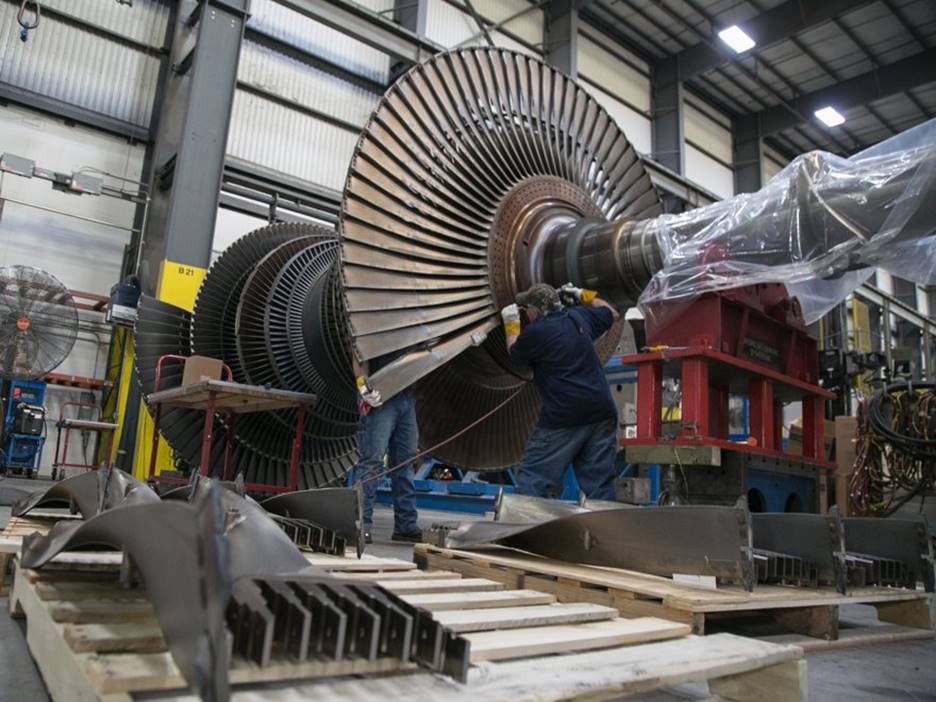
We can all agree that steam turbine generators have been crucial for power generation in industries such as utilities, gas and geothermal plants. Recent advancements in the steam turbine can easily enhance overall efficiency, making power generation more affordable, contributing to the transition toward sustainable future and reducing environmental impact.

Steam turbines have been the part of a power generation, driving everything from massive power grids and small industrial plants. The overall evolution of energy demands, which is combined with the advancements in digital technologies and material science, which has created a new era for steam turbine advancements.

As soon as you enter here, you can learn more about power plants. From the moment steam turbines have started, advancements have pushed for greater reliability, efficiency and flexibility. Early designs, for instance, prioritized sturdiness over efficiency, which is focusing on fundamentals of thermodynamics and engineering solutions.

Although they were effective in their time, the legacy systems were constrained due to manufacturing and material limitations. Modern steam turbines are completely changing a paradigm, meaning they are capitalizing on breakthroughs in high-performance materials, aerodynamics and digital integration.

Due to latest manufacturing techniques, such as precision casting and additive manufacturing, nowadays, you can enjoy complex geometries that were not possible back in the day.

At the same time, the integration of real-time monitoring as well as digital twins allowed us an amazing insight into behavior under operating condition, meaning you can minimize downtime and ensure predictive analytics.

As the energy, landscape is continually shifting towards reducing carbon emissions, next-gen steam turbines are designed to function seamlessly by using renewable energy frameworks and hybrid systems. This particular adaptability can offer you relevance in the industry, which demands peak performance and sustainability.

In the further article, we will talk about technological advancements regarding steam turbines as well as the implication for the future you should remember. Beforehand, you should check out Power Plant Service Company, which will offer you a peace of mind and prevent potential issues.

Advancements in Materials for Better Efficiency

One of the biggest improvements regarding steam turbine generators include the use of latest and advanced materials, which is important for overall efficiency. You should remember that traditional steam turbines were faulty due to wear and tear that happened frequently, which is a common problem that happens in areas with high pressure and temperature conditions.

However, with the implementation of modern and advanced materials such as coatings and alloys, you can ensure the better resistance to erosion, corrosion and thermal degradation. As a result, these materials can help you maintain overall steam turbine’s performance for ensuring higher durability, while reducing overall maintenance expenses.

Innovative Designs for Energy Optimization

You should remember that apart from the material improvements, advanced steam turbines are specifically designed to offer you additional innovation and precision. Traditional designs had problems and challenges when optimizing energy conversion, which resulted in energy losses.

Nowadays, advanced CFD or computational fluid dynamics simulations and modeling are essential for designing turbines with better steam management and aerodynamics. This particular option directly affects steam turbine performance, which ensures the most of heat energy is converted into power.

Renewable Energy Systems

Modern steam turbines are taking advantage of renewable energy systems with an idea to create more sustainable power generation. For instance, waste-to-energy systems where steam turbines utilize heat from waste materials are becoming widely recognized option for generating power.

You should know that these systems are reducing the reliance on natural resources, meaning you can divert waste from landfills, ensuring the winning situation for both environmental sustainability and power generation.

Boost Heat Recovery Systems

One of the biggest innovations regarding steam turbine generators is the development of advanced heat recovery systems. Compared with the traditional options, they are releasing a considerable amount of heat energy into the environment, which reduces overall efficiency.

Nowadays, you can rest assured, because heat recovery systems are becoming the part of latest steam generators, meaning they can reuse and capture waste heat for further generation. It is effective way to avoid energy losses.

Real-Time Monitoring

We have mentioned above that one of the biggest developments in the world of steam turbine generators is the continual implementation of real-time monitoring systems. These systems use data analytics and advanced sensors to always be on track regarding performance of steam turbine in real-time.

When you implement continuous monitoring, you can rest assured, because the performance indicators will help you ensure that everything is running at peak efficiency. These innovations are making power generation affordable, while promoting eco-friendly and sustainable practices. Visit this site: https://www.iea.org/ to learn more about different ways to handle power plants.

The main idea is to implement customized models and real-time software, which will prevent potential failures and help you handle regular maintenance much faster and more effective than before. That way, you can reduce the expenses, while improving the working hours and generating power.

Kicking off with a bang, let’s talk about the heart of the crypto universe – the exchanges. These digital marketplaces are where the magic happens, where the digital gold, aka cryptocurrencies, are bought, sold, and traded. You’re on a spaceship, and the dashboard is your command center. Without it, you’re flying blind. The same goes for crypto exchanges. A dashboard is your command center, your lifeline to understanding the pulse of the market. And when we say ‘pulse,’ we’re talking about the BTCC Crypto exchange – a place where traders and enthusiasts alike gather to navigate the wild waters of cryptocurrency trading.

Volume Metrics: The Lifeblood of Exchanges

Volume metrics are the heartbeat of any crypto exchange, including BTCC Crypto. They tell you how much trading is happening, which is crucial for gauging market activity. High trading volume indicates a liquid market, which is good for traders because it means they can buy or sell without causing significant price movements. On the flip side, low volume might suggest a stagnant market, which can be a red flag. Traders at BTCC Crypto keep a keen eye on volume metrics to ensure they’re swimming in a vibrant sea of transactions.

Price Metrics: The Compass for Traders

Price metrics are the compass that guides traders through the cryptic currents of the market. They show the current price of cryptocurrencies and how they’ve changed over time. For BTCC Crypto users, understanding price trends is essential for making informed decisions. Whether it’s a bull run or a bear market, being aware of price movements can mean the difference between a profitable trade and a loss.

Order Book Metrics: The Hidden Treasures

Delve into the order book metrics, and you’ll uncover the hidden treasures of the crypto market. These metrics show the buy and sell orders waiting to be executed, giving you insights into the market’s depth. At BTCC Crypto, traders analyze the order book to identify potential support and resistance levels, which can be goldmines for making strategic trades.

Market Capitalization: The Big

Market capitalization gives you the big of a cryptocurrency’s value in relation to its circulating supply. It’s a snapshot of the entire market’s value and can be a powerful indicator of market sentiment. For BTCC Crypto traders, keeping an eye on market cap can help them gauge the overall health of the crypto market and make decisions that align with broader trends.

Trading Pairs: The Currency Crossroads

Trading pairs are the crossroads where different cryptocurrencies meet and trade hands. Understanding which pairs are most active and have the most liquidity is key for traders at BTCC Crypto. Active trading pairs can offer better opportunities for quick and profitable trades, while less active pairs might lead to higher slippage and less favorable outcomes.

Fees and Charges: The Cost of Playing

When you’re trading on BTCC Crypto, it’s not just about the market movements; it’s also about the costs. Fees and charges can eat into your profits, so understanding the fee structure is crucial. Whether it’s trading fees, withdrawal fees, or other charges, being aware of these costs can help traders at BTCC Crypto optimize their strategies and maximize their returns.

Security Measures: The Shield Against Threats

In the digital realm of crypto exchanges, security is paramount. For BTCC Crypto, robust security measures are the shield against threats, ensuring that traders’ assets are protected. Metrics related to security, such as the frequency of audits, the use of multi-signature wallets, and the implementation of two-factor authentication, are critical for maintaining trust and safety in the platform.

User Interface and Experience: The Gateway to Trading

The user interface and experience are the gateway to trading on any platform, including BTCC Crypto. A clean, intuitive interface can make all the difference in the trading experience. Traders value a platform that’s easy to navigate, with features that enhance their trading capabilities, such as customizable charts and quick order placement.

Customer Support: The Lifeline in Stormy Seas

When the waves of the market get rough, customer support is the lifeline that keeps traders afloat. At BTCC Crypto, a responsive and knowledgeable customer support team is on standby to assist with any issues, from technical difficulties to trading queries. Quick and efficient support can make the difference between a smooth trading session and a frustrating one.

Conclusion: Navigating the Crypto Cosmos

In the vast cosmos of cryptocurrency trading, a well-designed dashboard on an exchange like BTCC Crypto is your starship’s control panel. It’s where you monitor the metrics that matter, from volume and price to security and support. By keeping an eye on these key indicators, you can steer your trading journey through the volatile but exciting landscape of cryptocurrencies.

Trading in today’s financial markets is a game of skill, strategy, and adaptability. The landscape is ever-changing, with new players entering the arena and seasoned veterans constantly tweaking their strategies. To stay ahead in this competitive environment, traders need to build an edge that sets them apart from the rest. This edge is not just about having the best tools or the sharpest minds; it’s about cultivating a mindset and a set of practices that can weather any market condition. Let’s delve into how traders can sharpen their competitive edge in the financial markets.

Harnessing the Power of Trade Com and Market Dynamics

Trade com and market dynamics are the twin engines that drive the financial world. Understanding how these forces interact is crucial for any trader looking to gain an edge. Trade com, with its comprehensive platform and tools, provides a solid foundation for traders to navigate the complexities of the market. By leveraging the insights and data available on trade com, traders can make informed decisions that are backed by real-time market analysis. This is where the power of market dynamics comes into play. Being able to anticipate shifts in the market and adjust strategies accordingly is what separates the winners from the losers.

Mastering the Art of Market Analysis

Market analysis is not just about looking at charts and numbers; it’s about understanding the underlying forces that drive market movements. Traders who can dissect market trends and interpret economic indicators are better equipped to make profitable trades. This requires a deep understanding of the market, which can be honed through continuous learning and practice. Trade com offers a wealth of educational resources that can help traders develop their analytical skills. By mastering market analysis, traders can identify opportunities and risks that others might overlook.

Building a Robust Trading Strategy

A well-crafted trading strategy is the backbone of any successful trading career. It’s not just about having a plan; it’s about having a plan that is adaptable and can withstand the test of time. Trade com provides a platform where traders can test and refine their strategies under real market conditions. This hands-on experience is invaluable in building a robust strategy that can withstand market volatility. The key is to be flexible and willing to adjust the strategy as market conditions change.

The Role of Technology in Trading

In today’s digital age, technology plays a significant role in trading. trade com advanced trading tools and platforms are designed to give traders a competitive edge. By embracing technology, traders can automate certain aspects of their trading, allowing them to focus on higher-level strategic decisions. This not only saves time but also reduces the potential for human error. The integration of artificial intelligence and machine learning in trading platforms is also transforming the way traders interact with the market. These tools can analyze vast amounts of data and identify patterns that would be impossible for humans to detect.

Developing a Disciplined Trading Mindset

Discipline is the cornerstone of successful trading. It’s easy to get caught up in the excitement of the market and make impulsive decisions. However, a disciplined trading mindset is what keeps traders focused on their goals and prevents them from falling into common traps. Trade com’s educational resources and community forums can help traders develop the mental fortitude needed to maintain discipline in their trading. This includes setting clear objectives, managing risk effectively, and staying committed to a trading plan, even when the market is volatile.

Staying Ahead of the Curve with Continuous Learning

The financial markets are constantly evolving, and traders must be willing to learn and adapt to stay ahead. Trade com offers a variety of courses and workshops that can help traders expand their knowledge and improve their skills. Continuous learning is not just about staying informed; it’s about being proactive in seeking out new strategies and techniques that can give traders an edge. By staying curious and open to new ideas, traders can keep their trading practices fresh and relevant.

Managing Risk: The Key to Long-Term Success

Risk management is often overlooked, but it’s a critical component of any trading strategy. Trade com provides tools that help traders manage their risk effectively. By understanding the potential risks associated with each trade, traders can make more informed decisions and protect their capital. This involves setting stop-loss orders, diversifying their portfolio, and being aware of market conditions that could impact their trades. Effective risk management is what separates the professionals from the amateurs and is key to long-term success in the markets.

Conclusion

Building a trader’s edge in competitive financial markets is not a one-time effort; it’s a continuous process of learning, adapting, and refining one’s approach. Trade com and the broader market offer a wealth of opportunities for traders who are willing to put in the work. By mastering market analysis, building robust strategies, embracing technology, developing discipline, and managing risk, traders can create an edge that sets them apart in the competitive world of finance. It’s not just about surviving the market; it’s about thriving in it.